
Have you ever noticed that your cat always chooses a specific spot on your bed and wondered why? This behavior is not random. Where your cat sleeps on your bed is a form of silent communication, reflecting trust, comfort, emotional attachment, and instinct. Studies show that around 30% of pet cats regularly sleep on their owner’s bed, and the exact position they choose often carries a deeper meaning about how safe and connected they feel.
Animal behavior experts explain that cats select sleeping spots based on warmth, familiar scents, security, and bonding. Your bed combines all of these factors, making it an ideal resting place. By understanding where your cat sleeps on your bed and what it means, you can better interpret your cat’s emotions, strengthen your relationship, and recognize when changes in sleeping habits may signal stress or health concerns.
Where Your Cat Sleeps On Your Bed And What It Means
Your cat’s choice of where to sleep on your bed is rarely accidental. Cats are highly selective sleepers, guided by instinct, comfort, and emotional security. The spot your cat chooses—whether near your head, on your chest, at your feet, or in the middle of the bed—can reveal how safe they feel with you and how strong your bond is. Sleeping close to you often reflects trust, while choosing certain areas may balance affection with independence.
Trust And Safety
You may wonder why your cat chooses a certain spot on your bed. This choice often shows how much your cat trusts you and feels safe in your presence. Cats have strong survival instincts. Research shows that cats often sleep on their left side. This position helps them stay alert to danger, even while resting. When your cat sleeps close to you, it means they feel protected and secure. Your bed offers a familiar place with your scent, which calms your cat and makes them feel at home.
Cats also pick sleeping spots based on their need for safety. Sleeping next to you is not just about comfort. It is a sign that your cat trusts you to keep them safe. This behavior comes from their natural instincts. In the wild, cats seek safe places to sleep. At home, your bed becomes that safe place. When you see where your cat sleeps on your bed and what it means, you learn about their feelings of trust and security.
Affection And Bonding
Cats show affection in many ways. Sleeping near you is one of the strongest signs. Feline behaviorists explain that cats who sleep on you or at your feet are showing attachment and warmth-seeking behavior. This closeness is not random. It is a sign of deep trust. Physical closeness during sleep is an expression of social bonding in cats.
You may notice your cat curling up next to you every night. This habit means your cat feels a strong bond with you. The nightly closeness is a way for your cat to show love and affection. When you observe where your cat sleeps on your bed and what it means, you see how much your cat values your relationship. Cats use sleep as a way to connect with their favorite humans.
Warmth And Comfort
Cats love warmth and comfort. Your bed provides both. Many cats choose sunlit areas or soft surfaces because these spots remind them of kittenhood. Elevated perches and enclosed spaces also offer security and comfort. When your cat sleeps on your bed, they enjoy your body heat and the softness of the bedding.
You may find your cat sleeping on you to stay warm. This behavior shows trust and a desire for comfort. Cats use your body heat to conserve energy. They also seek out cozy spots that make them feel safe. If you want to give your cat more options, consider a plush cat bed from Cozzi Paws. These beds offer warmth, comfort, and security. You can place a cat bed near your sleeping area to give your cat a choice. Watching where your cat sleeps on your bed and what it means helps you understand their need for comfort and warmth.
Marking Territory
Cats have strong instincts about territory. You may notice your cat rubbing its face or paws on your bed. This action leaves scent marks that only other cats can detect. Your cat uses these marks to claim the area as their own. When you see where your cat sleeps on your bed and what it means, you learn about their need for control and security.
Experts explain that cats evolved from solitary animals. They use territory marking to avoid fights with other cats. Your cat feels safe when sleeping in places they have marked. This behavior helps them relax and feel in charge of their space.
Tip: If you have more than one cat, you might see each cat choosing different spots on the bed. This helps them avoid conflict and keeps peace in your home.
Here are some key points about territory marking and sleeping habits:
-
Cats are territorial creatures. They like to sleep in areas they have marked.
-
Marking territory helps reduce conflicts with other cats.
-
Sleeping in marked spots makes cats feel secure and in control.
You can support your cat’s need for territory by giving them their own cozy bed. A cat bed from Cozzi Paws can become a favorite spot for your cat to mark and claim. This gives your cat more choices and helps them feel comfortable. When you observe where your cat sleeps on your bed and what it means, you see how important territory is to your cat’s happiness.
8 Specific Spots of Cat Sleeping on Bed and Their Meanings
If your cat sleeps on your bed, it’s not random. Cats are selective sleepers. They choose places based on safety, warmth, scent, trust, and emotional bonding. So when your cat curls up beside you—or directly on you—it’s often a quiet form of communication.
Many cat owners search “where my cat sleeps on my bed and what it means” because they notice patterns:
-
Why does my cat sleep on my pillow?
-
Why does my cat sleep on my chest or legs?
-
Why does my cat change sleeping spots during the night?
Each position can reveal something about how your cat feels about you, your environment, and their own needs.
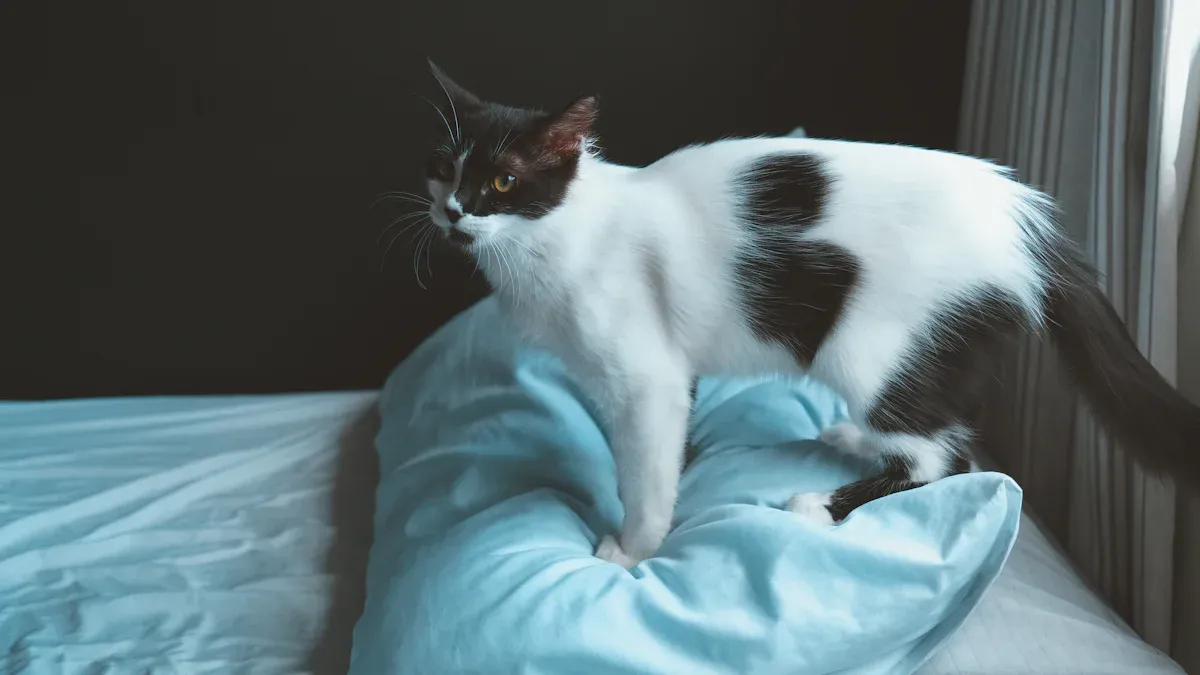
1. Cat Sleeping on Your Pillow (Near Your Head)
What it usually means
When your cat chooses your pillow as a sleeping spot, it sends a strong message about trust and comfort. Cats often seek warmth and softness, and your pillow provides both. You may notice your cat burying their face in the pillow. This action helps them keep body heat, much like they would in a cozy den. The pillow’s soft surface can also help your cat relax and feel less stressed.
-
Cats look for warmth and comfort on pillows.
-
Burying their face in the pillow helps them stay warm.
-
Pressing against a soft surface can calm your cat.
Emotional interpretation
Sleeping near your head shows a high level of trust. Your cat feels safe enough to rest in a vulnerable position. Many cats prefer this spot because your head stays uncovered at night, making it a warm place. Your cat may also want to be close to you for emotional comfort. This behavior means your cat values your bond and feels secure with you.
When your cat sleeps on your pillow, you can feel proud. This spot is a sign of deep trust and affection.
2. Cat Sleeping on Your Chest Or Stomach
What it usually means
If your cat curls up on your chest or stomach, it shows strong trust and affection. Cats enjoy the steady rhythm of your heartbeat and breathing. These sounds remind them of sleeping next to their mother as kittens. The gentle rise and fall of your chest can lull your cat to sleep. Your body also gives off warmth, which your cat loves.
-
Cats feel safe and bonded when sleeping on your chest or stomach.
-
The sound of your heartbeat comforts your cat.
-
This spot offers warmth and companionship.
Emotional interpretation
Your cat sees you as a parent figure and a source of safety. By choosing your chest or stomach, your cat shows that they trust you completely. This position also means your cat wants to be close to you, both physically and emotionally. The bond between you and your cat grows stronger with this nightly routine.
A cat sleeping on your chest or stomach is a clear sign of love and attachment.
3. Cat Sleeping Between Your Legs
What it usually means
When your cat sleeps between your legs, they look for warmth and a sense of security. Your legs create a cozy nest that helps your cat feel protected. This spot also allows your cat to stay close to you, which strengthens your bond.
-
Cats choose this spot for warmth.
-
Sleeping between your legs makes your cat feel safe.
-
This behavior shows trust and a desire for closeness.
Emotional interpretation
Your cat sees you as a safe haven. By curling up between your legs, your cat shows that they trust you to protect them. This position also means your cat wants your attention and enjoys your company. You can feel happy knowing your cat feels secure and loved when they sleep in this spot.
If your cat picks this place, it means you are their favorite person and their trusted protector.
4. Cat Sleeping at Your Feet
Independence With Connection
When your cat chooses to sleep at your feet, you see a unique mix of independence and closeness. Cats often pick this spot because it lets them stay near you while keeping their own space. You might notice your cat curling up at the end of the bed, just out of reach. This behavior shows that your cat trusts you but still values freedom.
-
Cats feel emotionally grounded when they sleep at your feet. This spot gives them a sense of safety and security.
-
Your cat keeps a degree of personal space while staying close. This reflects their independent nature.
-
Sleeping at your feet shows trust and attachment. Your cat makes a deliberate choice to balance comfort and freedom.
You can think of this as your cat’s way of saying, “I want to be with you, but I also need my own area.” This position allows your cat to relax without feeling crowded.
Guarding Behavior
Some cats sleep at your feet because they want to keep watch. This spot gives them a good view of the room and the door. Your cat can quickly notice any changes or movements. By sleeping here, your cat may feel like a guardian, ready to protect you if needed.
Note: Cats have strong instincts to guard their territory. Sleeping at your feet lets them keep an eye on their surroundings while staying close to you.
You might see your cat shift positions during the night. This alertness is normal. It shows your cat’s natural desire to protect both you and their home.
5. Cat Sleeping Next to You (Side-by-Side)
What it usually means
When your cat sleeps side-by-side with you, it sends a clear message of friendship. This position is different from sleeping on top of you or at your feet. Your cat chooses to lie next to you as an equal, not as a kitten seeking warmth or a guardian keeping watch.
-
Side-by-side sleeping means your cat sees you as an equal.
-
This position reflects a strong social bond. Your cat feels safe and enjoys your company.
-
Your cat seeks companionship, not just comfort or protection.
You may notice your cat stretching out and relaxing fully in this spot. This shows that your cat feels at ease and trusts you completely.
Emotional interpretation
Sleeping next to you means your cat values your presence. Your cat feels happy and secure just being close. This behavior often happens when your cat feels a deep bond with you. It is a sign that your cat enjoys your company and wants to share space with you.
Tip: If your cat often sleeps side-by-side with you, take it as a compliment. Your cat sees you as a true friend.
6. Cat Sleeping on Your or Back
What it usually means
If your cat sleeps on your back, it often seeks warmth and a soft surface. Your back provides steady heat and a gentle rise and fall as you breathe. This spot can feel safe and comforting for your cat, especially if you sleep on your stomach.
Your cat may also choose this spot because it feels less crowded than your chest or legs. It gives your cat a good view of the room and lets them stay close without being disturbed.
Emotional interpretation
When your cat sleeps on your back, it shows trust and comfort. Your cat feels safe enough to rest in a vulnerable position. This behavior means your cat enjoys your presence and feels relaxed around you.
You can feel proud when your cat picks this spot. It is a sign that your cat feels secure and connected to you.
7. Middle Of The Bed
What it usually means
When your cat settles in the middle of your bed, you see a strong message about comfort and confidence. Cats often pick this spot because it feels safe and warm. The middle of the bed gives your cat a clear view of the room. Your cat can relax without worrying about sudden movements or surprises. This spot also lets your cat stretch out and claim space.
Animal behaviorists explain several reasons for this choice:
-
Your cat feels relaxed and safer at night when sleeping next to you, much like a child seeks comfort from parents.
-
The warmth from your body escapes into the bedding, creating a cozy environment for your cat.
-
Cats are territorial. They may consider the bed part of their territory and mark it with pheromones.
-
Sleeping with you shows companionship and affection. Your cat sees you as a safe place.
You might notice your cat returning to the middle of the bed night after night. This habit shows that your cat feels secure and trusts you. The middle spot offers both comfort and a sense of control over their environment.
Emotional interpretation
Your cat’s choice to sleep in the middle of the bed reflects a deep bond with you. This position means your cat feels safe and wants to be close. Your cat may see you as a source of warmth and protection. The middle of the bed becomes a shared space, showing that your cat feels like part of your family.
Tip: If your cat claims the middle of the bed, you can take it as a sign of strong trust and affection. Your cat feels at home and enjoys your company.
Sleeping in the middle also shows your cat’s confidence. Your cat does not feel the need to hide or stay on the edge. Instead, they choose the most open and central spot. This behavior means your cat feels secure in your presence and values your relationship.
8. Cat Sleeping on the Edge or Corner of the Bed
What it usually means
When your cat sleeps on the edge or in the corner of your bed, you see a different side of their personality. Cats often pick these spots for privacy and quick escape routes. The edge or corner lets your cat watch the room and react quickly if needed. This choice may also reflect your cat’s independent nature.
Some cats prefer the edge because it feels less crowded. Your cat can rest without being disturbed by your movements. The corner offers a sense of enclosure, which helps your cat feel protected. You may notice your cat curling up tightly in these spots, seeking warmth and security.
Emotional interpretation
Sleeping on the edge or in the corner shows your cat’s need for both connection and independence. Your cat wants to be near you but also values personal space. This position allows your cat to stay close while keeping a sense of control over their environment.
Note: If your cat chooses the edge or corner, it does not mean they feel less bonded. Many cats show affection by simply sharing the bed with you, even if they pick a quieter spot.
Your cat’s choice may change based on mood or household activity. Sometimes, your cat may move to the middle for warmth and comfort. Other times, they may prefer the edge for peace and privacy. By watching these habits, you learn more about your cat’s feelings and personality.
5 Cat Sleeping Positions And Their Meaning
Curled Up
Feeling Safe
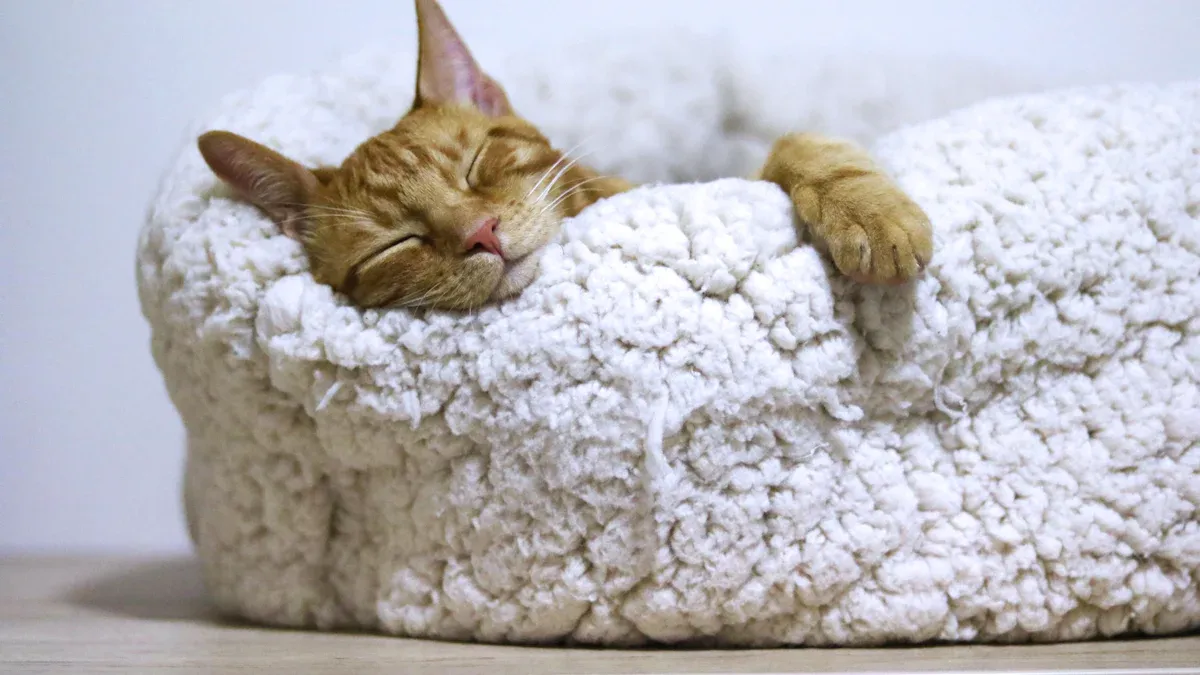
You often see your cat curled up in a tight ball when they sleep. This classic position tells you a lot about how your cat feels. When your cat curls up, they tuck their nose toward their tail and wrap their body into a circle. This shape helps them stay warm and feel protected.
-
Cats curl up into a ball for warmth and safety.
-
This position helps them conserve body heat.
-
Curling up is a common behavior in the animal world, indicating a sense of security when in a defenseless state.
Your cat’s curled-up position shows that they feel safe in your home. They trust their environment and know you will protect them. This pose also helps them hide their vulnerable belly and vital organs. In the wild, cats use this position to stay hidden from predators and keep warm during cold nights. At home, your cat curls up because they feel secure and want to enjoy a cozy nap.
Belly-Up
Trust And Vulnerability
When your cat sleeps belly-up, you see a rare and special sign of trust. In this position, your cat lies on their back with their stomach exposed. The belly is the most vulnerable part of a cat’s body. If your cat shows you their belly while sleeping, they feel completely safe with you.
-
The belly-up position indicates a high level of trust and contentment in cats.
-
Exposing their belly shows that they feel secure in their environment.
-
This position makes them vulnerable, as their vital organs are unprotected.
-
Only when a cat is completely at ease will they sleep in this position.
You might notice your cat choosing this pose on warm days. The fur on a cat’s belly is thinner, so this position helps them cool off. When your cat sleeps belly-up, they show you that they trust you fully and feel relaxed in your presence. This is one of the clearest signs that your cat feels at home.
Tip: If your cat sleeps belly-up near you, take it as a compliment. Your cat feels safe and happy in your care.
Loaf Position
Relaxed But Alert
The loaf position looks like your cat has tucked their paws and tail under their body, forming a neat, bread-like shape. You often see this pose when your cat sits upright but does not lie down completely. The loaf position tells you that your cat feels comfortable but wants to stay alert.
-
The loaf position indicates that a cat feels secure and comfortable in its environment.
-
This position can also suggest that the cat is ready to react quickly to potential threats, maintaining alertness while appearing relaxed.
-
Cats in the loaf position may appear to be dozing, but they are often tracking their surroundings and staying alert.
-
This position is not restful; it allows cats to be ready to leap into action if necessary.
Your cat uses the loaf position when they want to rest but still keep an eye on what is happening around them. They can jump up quickly if they hear a noise or see something interesting. This pose shows that your cat trusts their surroundings but likes to stay prepared.
Here is a quick table of common cat sleeping positions and what they mean:
|
Sleeping Position |
Meaning |
|---|---|
|
On Your Chest |
You are my safe space. |
|
The Sploot (Superman) |
It is too hot. |
|
Belly Up |
I feel 100% safe. |
|
The Loaf |
I am ready to run. |
|
Curled in a Ball |
I want to stay warm. |
|
Side Sleeping |
Indicates deep sleep and relaxation. |
|
Paws Over Eyes |
A sign for “do not disturb.” |
By watching your cat’s sleeping positions, you learn more about their feelings and needs. Each pose tells you something special about your cat’s trust, comfort, and mood.
Side Sleeping
Deep Relaxation
You might notice your cat stretched out on their side, legs extended and body relaxed. This position tells you a lot about how your cat feels in your home. When your cat sleeps on their side, they show that they feel safe and comfortable. You can see that your cat trusts you and the environment.
-
Side sleeping shows a high level of relaxation and trust.
-
Your cat feels safe enough to enter a deep sleep.
-
Exposing the belly and internal organs means your cat feels emotionally calm and secure.
Cats do not sleep on their sides unless they feel completely at ease. In this position, your cat lets their guard down. They do not worry about sudden dangers or threats. You may see your cat breathing slowly and even twitching their paws during dreams. This is a sign of deep sleep, which is important for your cat’s health.
If your cat chooses to sleep on their side near you, it means they see you as a trusted friend. They know you will protect them while they rest. You can feel proud when your cat picks this position. It means you have created a safe and loving home.
Tip: If you want to encourage your cat to relax, provide a soft blanket or a cozy cat bed from Cozzi Paws. A comfortable spot helps your cat feel even more secure.
Tucked Paws Or Hidden Face
Seeking Warmth
You may often see your cat tucking their paws under their body or hiding their face while sleeping. This pose looks cute, but it also serves an important purpose. Cats use this position to keep warm and cozy. By folding their paws under their body, your cat protects their feet from the cold. This is similar to how you might put your hands in your pockets on a chilly day.
Dr. Beaver explains that cats conserve body heat by tucking their feet. This behavior helps them stay comfortable, especially in cooler rooms. When your cat hides their face, they block out light and noise. This makes it easier for them to relax and enjoy their nap.
Many cats also enjoy curling up in boxes or small spaces. These spots offer extra warmth and a sense of security. When your cat tucks their paws or hides their face, they show that they want to feel safe and snug. You can help by placing a plush cat bed in a quiet corner. Your cat will appreciate having a warm place to rest.
Note: If you see your cat in this position, let them enjoy their peaceful moment. They are simply seeking comfort and warmth, just like you do on a cold day.
Does The Sleeping Position of Cat Reflect Love?
Signs Of Preference
You may wonder if your cat’s sleeping position shows love. Cats often reveal their feelings through where and how they sleep. When your cat chooses to sleep near you, it means they feel safe and bonded with you. You can look for these signs to understand your cat’s preference:
-
Your cat sleeps close to you or on your bed most nights.
-
They follow you around the house and settle down near you.
-
Your cat seeks out your warmth, especially during naps.
-
They rest their head on you or curl up against your body.
-
Your cat marks your bed with their scent, showing comfort and trust.
-
During stressful times, your cat may choose to nap right next to you for reassurance.
These behaviors show that your cat sees you as a source of safety and affection. When your cat picks you as their favorite sleeping companion, they express love in their own special way.
Influencing Factors
Many things can affect your cat’s choice of sleeping position. Each position tells you something about how your cat feels. Here are some common sleeping positions and what they mean:
-
Curled Up Ball: Your cat curls into a tight ball to feel secure and keep warm.
-
Side Sleeper: Lying on their side shows your cat feels relaxed and trusts you.
-
Belly-Up: When your cat exposes their belly, they show high trust and contentment.
-
Loaf: Sitting upright with paws tucked under means your cat feels comfortable but stays alert.
-
Contortionist: Twisting into odd shapes shows your cat feels very safe at home.
-
Headrest: Resting their head on you or your pillow means your cat wants closeness and warmth.
-
Protector: Sleeping at your feet or facing the door shows your cat wants to keep you safe.
You can learn a lot about your cat’s emotions by watching these positions. Each one reflects a different level of trust, comfort, or affection.
Strengthening The Bond
Understanding your cat’s sleeping habits can help you build a stronger relationship. When you notice your cat napping on you or near you, they show affection and trust. These moments are important for both you and your cat.
-
Cats often groom or nap on their owners to show love and strengthen the bond.
-
Sharing a bed or sleeping close together helps your cat feel safe and part of your family.
-
When you respond with gentle petting or soft words, you make your cat feel even more secure.
-
Napping together can bring comfort and happiness to both you and your cat.
Tip: If you provide a cozy spot, like a soft blanket or a plush cat bed, you give your cat more ways to feel safe and loved. This simple act can deepen your connection and make your cat feel truly at home.
By paying attention to your cat’s sleeping positions, you show that you care about their feelings. This understanding helps you and your cat enjoy a happier, closer bond every day.
When Sleeping Position Might Signal a Problem
Most of the time, your cat’s sleeping habits show trust, comfort, and affection. Sometimes, though, a change in where or how your cat sleeps can signal a problem. You need to know what to watch for so you can help your cat stay healthy and happy.
You might notice your cat suddenly choosing odd or unusual places to sleep. For example, if your cat starts sleeping in the litter box, this is not normal. Cats usually avoid this spot unless something is wrong. Sleeping in the litter box can mean your cat feels very sick, scared, or stressed. Medical problems like a urinary tract infection (UTI) can also cause this behavior.
|
Sleeping Position |
Possible Indication |
|---|---|
|
In the litter box |
Indicates a medical issue or extreme fear. |
Another warning sign is when your cat hides and sleeps in secluded areas, such as under furniture or in closets. Cats often do this when they feel anxious, stressed, or unwell. If your cat suddenly avoids your bed and seeks out hidden spots, pay attention. This change can mean your cat feels pain or discomfort.
|
Sleeping Position |
Possible Indication |
|---|---|
|
Secluded areas (under furniture) |
May signal anxiety, stress, or physical illness. |
You should also watch for changes in your cat’s sleeping patterns. If your cat wakes up often during the night or becomes suddenly clingy, these can be signs of trouble. Cats who feel pain, anxiety, or confusion may not sleep well. Older cats sometimes develop dementia, which can change their sleep habits. Arthritis or other health problems can also make it hard for your cat to rest comfortably.
Here are some warning signs to look for in your cat’s sleeping habits:
-
Frequent waking during the night
-
Sudden clinginess
-
Restlessness or pacing
-
Avoiding favorite sleeping spots
-
Sleeping much more or much less than usual
If you notice any of these changes, you should contact your veterinarian. Quick action can help your cat feel better and prevent bigger problems. Remember, you know your cat best. Trust your instincts if something seems off.
Tip: Keep a simple journal of your cat’s sleeping habits. Write down any changes you see. This record can help your vet find the cause of the problem faster.
Most cats enjoy sleeping in cozy, familiar places. If your cat suddenly chooses strange spots or acts restless, do not ignore it. Your attention and care can make a big difference in your cat’s health and happiness.
Should You Let Your Cat Sleep on Your Bed?
You may wonder if sharing your bed with your cat is a good idea. Many cat owners enjoy the comfort of having their furry friend nearby at night. Your cat may seek warmth, security, and closeness. You might feel happy when your cat curls up next to you. However, you should consider both the benefits and the drawbacks before making this decision.
Veterinarians point out several pros and cons of letting your cat sleep on your bed:
-
Pros:
-
You feel emotional comfort when your cat sleeps beside you.
-
Your stress levels may drop because of your cat’s calming presence.
-
Your cat provides extra warmth during cold nights.
-
You and your cat may both feel a sense of security.
-
-
Cons:
-
Your sleep may get disturbed if your cat moves around or wakes up during the night.
-
There are potential health risks, such as allergies or the spread of germs.
-
Your cat may develop dominance or territorial behavior, which can lead to problems.
-
Scientific studies show that bed-sharing with cats can affect your sleep quality. You may wake up more often or have lower sleep efficiency. Some people notice that their sleep feels lighter or interrupted. Children who sleep with pets may experience more nighttime awakenings. Despite these findings, many pet owners say they feel just as rested or even better after sleeping with their cat. This difference between measured sleep and how you feel is common.
You should think about your own sleep habits and health needs. If you have allergies, asthma, or a weakened immune system, you may want to keep your cat off the bed. You can still bond with your cat by providing a cozy cat bed nearby. Your cat will appreciate having a soft, warm place to rest.
Consider your cat’s personality as well. Some cats are restless at night and may disturb your sleep. Others are calm and sleep quietly. If your cat tends to be active or playful during the night, you might prefer to give them their own sleeping space.
You can try different arrangements to see what works best for you and your cat. Place a plush cat bed from Cozzi Paws next to your bed. This gives your cat a comfortable option and helps you sleep better. Watch your cat’s habits and listen to your own needs. You can make a choice that keeps both you and your cat happy.
Tip: If you decide to let your cat sleep on your bed, wash your bedding often and keep your sleeping area clean. This helps reduce allergens and keeps your space healthy for both you and your cat.
Sleeping with your cat can be a special experience. You share warmth, comfort, and companionship. By considering the pros and cons, you make the best decision for your household. Your cat’s happiness and your own well-being matter most.
You can learn a lot from where your cat sleeps on your bed. Experts say that when your cat chooses your bed, it shows trust and safety. Each sleeping spot or position tells you how your cat feels about you. Most habits show love, comfort, or loyalty.
By watching your cat’s sleeping choices, you build a stronger bond and understand their needs. Appreciate these moments as signs of affection and trust.
FAQ
Why does my cat change sleeping spots on my bed?
Your cat changes spots to find the best comfort, warmth, and safety. Cats also adjust their sleeping place based on mood, temperature, and household activity.
Is it normal for my cat to sleep on my pillow every night?
Yes, this is normal. Your cat feels safe near your head and enjoys your scent. This spot shows trust and a strong bond.
Should I worry if my cat suddenly avoids sleeping on my bed?
You should watch for other changes. If your cat avoids the bed and hides, this may signal stress or illness. Contact your veterinarian if you notice unusual behavior.
Can I encourage my cat to sleep in a specific spot?
You can place a cozy cat bed, like one from Cozzi Paws, near your preferred area. Add a soft blanket or your worn shirt to attract your cat.
Does my cat’s sleeping position show how much they love me?
Yes! Sleeping close to you, belly-up, or on your chest means your cat feels safe and loves you. These positions show trust and affection.
Is it safe for my cat to sleep on my bed?
Most cats sleep safely on beds. You should keep your bedding clean and watch for allergies. If you have health concerns, provide a separate cat bed.


