
Many cat owners ask, "why doesnt my cats like the cat bed?" They feel puzzled and even frustrated when their cats ignore cozy beds. Cats often show picky behavior about where they sleep. Owners notice their pets choose odd spots instead of the bed. Cozzi Paws offers practical tips and stylish beds to help cats feel comfortable and secure.
Why Doesn't My Cat Like the Cat Bed?
1. Instincts and Preferences
High or Hidden Spots
Many people ask, "why doesnt my cats like the cat bed?" They see their cats sleep on shelves or in closets instead. Cats have instincts from their wild ancestors. They like to sleep in high or hidden places.
Long ago, cats lived in the wild and hunted for food. They climbed to get away from bigger animals and to catch smaller ones.
Cats feel safer when they are up high. These spots let them watch everything around them and stay away from danger.
Most cats pick high places to sleep because it helps them stay safe. They can see trouble coming from these spots.
Safety and Security
Feeling safe is important for cats when they sleep. Cats look for places where they feel protected. They do not like open spaces and want to hide or watch quietly.
Cats rest in high places to avoid danger. This lets them see what is happening while staying hidden.
If a cat bed is in a busy or open spot, cats might not use it. People often ask, "why doesnt my cats like the cat bed?" They may not know their cat feels unsafe there.
2. Scent and Familiarity
Owner's Scent
Cats use smell to feel at home. Beds that smell like their owner attract them.
-
Cats like sleeping places that are warm and soft, just like wildcats did.
-
If the bed smells like their owner, cats feel safe and happy. This helps them pick where to sleep.
A cat might sleep on laundry or a blanket instead of a new bed. This makes people ask, "why doesnt my cats like the cat bed?" The answer is often about smell and comfort.
Unfamiliar Smells
New beds can smell strange to cats. Studies show cats get curious or stressed by new smells. In one study, cats checked out things with new smells but did not always stay there. Cats do not feel safe with strange smells, so they might avoid new beds. Owners see their cats sniff the bed but not use it. They wonder, "why doesnt my cats like the cat bed?" The new smell is often the reason.
|
Scent Strategy |
Description |
|---|---|
|
Novel smells alongside toys |
Using familiar smells can help cats feel safe. |
|
Providing catnip |
Catnip can make cats happy and help them use new things. |
|
Scratching posts or pads |
Letting cats leave their scent makes them feel better. |
|
Pheromone products |
Products like Feliway can calm cats and make beds more inviting. |
3. Bed Location
Noisy Areas
Cats do not like loud or busy places. Studies show noise, like barking dogs, can stress cats. Loud sounds make cats stay away from some spots. If a bed is near a TV or in a busy hallway, cats may not use it. People ask, "why doesnt my cats like the cat bed?" They may not know noise is the problem.
-
Cats stay away from busy places when they nap.
-
Beds near food or litter boxes can bother cats.
-
Cold or wet spots are not good for sleeping.
Drafts or Sunlight
Cats want to be warm and cozy. Beds in cold or drafty places are not used much. Cats like sunny windows or soft corners.
-
A quiet, warm spot for the bed helps cats relax.
-
Cats often like high and closed-in places for naps.
If a bed is in a draft or has no sun, cats pick another spot. People wonder, "why doesnt my cats like the cat bed?" The answer can be as simple as warmth and light.
4. Comfort and Material
Too Soft or Firm
Cats care about the feel of their sleeping spot. Some cats avoid beds that are too soft because they sink in and cannot get comfortable. Others dislike beds that are too firm because they do not provide enough cushion. Owners often wonder, "why doesnt my cats like the cat bed?" The answer may be in the material and texture.
Studies show that cats prefer certain materials for bedding.
-
Polyester fleece attracts most cats and feels cozy.
-
Cotton-looped towels, woven rush-matting, and corrugated cardboard do not appeal to many cats.
A bed made with the right material can make a big difference. Cozzi Paws offers beds with soft, inviting fabrics that suit many cats' preferences.
Allergies
Some cats have allergies or sensitivities to fabrics or detergents. These allergies can cause itching or irritation, making cats avoid their beds.
-
Fabrics and laundry detergents sometimes trigger contact allergies.
-
Symptoms include scratching, licking, or avoiding the bed.
-
Common allergens include certain fabrics and cleaning products.
If a cat shows signs of discomfort, owners should check the bed's material and how it is cleaned. Unscented detergents and hypoallergenic fabrics can help. When people ask, "why doesnt my cats like the cat bed?" allergies may be the reason.
5. Size and Shape
Small or Large Beds
Cats have different sleeping styles. Some stretch out, while others curl up tightly. The size of the bed matters for comfort.
-
Stretchers need large beds to relax fully.
-
Curlers prefer compact beds with raised edges for security.
A bed that matches a cat's sleeping style encourages use. Owners should observe how their cat sleeps and choose a bed that fits.
Enclosed vs. Open
Cats also care about the shape and design of their bed.
-
Burrowers like enclosed beds that feel like a den.
-
Some cats want open beds for easy access and visibility.
A table can help compare the types:
|
Cat Sleeping Style |
Preferred Bed Type |
Features |
|---|---|---|
|
Stretcher |
Large, open bed |
Space to stretch, flat surface |
|
Curler |
Small, raised edges |
Cozy, secure sides |
|
Burrower |
Enclosed, cave-style |
Covered, private, warm |
Choosing the right size and shape can solve the problem when owners ask, "why doesnt my cats like the cat bed?"
6. Bad Experiences
Stress or Forced Use
Cats remember negative experiences. If someone forces a cat into a bed or if the bed is linked to stress, the cat may avoid it.
Cats need to feel safe and in control of their space. Forcing them to use a bed can create fear or anxiety.
A cat that has been startled or scared in a bed may never return to it. Owners should let cats explore beds at their own pace. Creating positive associations with treats or gentle encouragement works better than pressure.
When a cat refuses a bed, owners often ask, "why doesnt my cats like the cat bed?" Stress or bad memories may be the cause. Cozzi Paws recommends patience and gentle introduction to new beds.
7. Other Favorite Spots
Furniture or Appliances
Many cats ignore their beds and choose other places to sleep. They often pick spots that seem odd to people. These choices can make owners wonder, "why doesnt my cats like the cat bed?" Cats may prefer furniture or appliances for several reasons. They look for comfort, temperature, and safety.
Common alternative sleeping spots include:
-
Sofas and chairs, which offer soft surfaces and familiar scents.
-
Beds, especially those with their owner's scent.
-
Bathroom floors, which feel cool and help cats regulate their body temperature.
-
Areas in front of air conditioners or drafty doors, where cats seek relief from heat or illness.
-
Tile floors and glass tables, which provide a cold surface.
-
Under furniture or even under the house, where cats find quiet and isolation.
Some cats, like Max, choose the bathroom floor when feeling unwell. Others, like Charlie and Chuck, look for the coldest places in the home. Squallie avoids warmth and prefers tile or glass. These choices show that cats value comfort and may avoid their beds if another spot feels better. Owners should observe where their cats sleep and consider these preferences when choosing a bed.
8. Health and Age
Mobility Issues
As cats age, their bodies change. Many older cats develop arthritis or joint pain. Up to 90% of cats over 12 years old may have arthritis. This condition makes movement harder and can cause pain. Cats with arthritis often sleep more and move less. They may avoid jumping onto beds or climbing to high spots.
Signs of mobility issues include:
-
Sleeping in low, easy-to-reach places.
-
Avoiding beds that require climbing or jumping.
-
Increased isolation and longer naps.
Pain or stiffness can make it hard for cats to get comfortable. Owners may notice their cats sleeping on the floor or in new spots. These changes can explain why a cat avoids its bed.
Sensory Changes
Older cats can also experience sensory decline. They may lose some eyesight or hearing. These changes affect how they find and use their beds. Cats with sensory loss may wake up more often and wander at night. They might have trouble locating their litter box or bed.
Other effects of sensory changes include:
-
Lighter or more fragmented sleep.
-
Restlessness or reversed sleep cycles, where cats become more active at night.
-
A need for multiple comfortable sleeping spots.
Health problems like arthritis or hyperthyroidism can disrupt sleep patterns. Physical discomfort or cognitive changes may cause cats to seek new places to rest. Owners should provide several cozy options to help their cats feel secure. Cozzi Paws offers beds designed for comfort and easy access, which can support cats with changing needs.
10 Solutions to Get Your Cat to Sleep in Beds
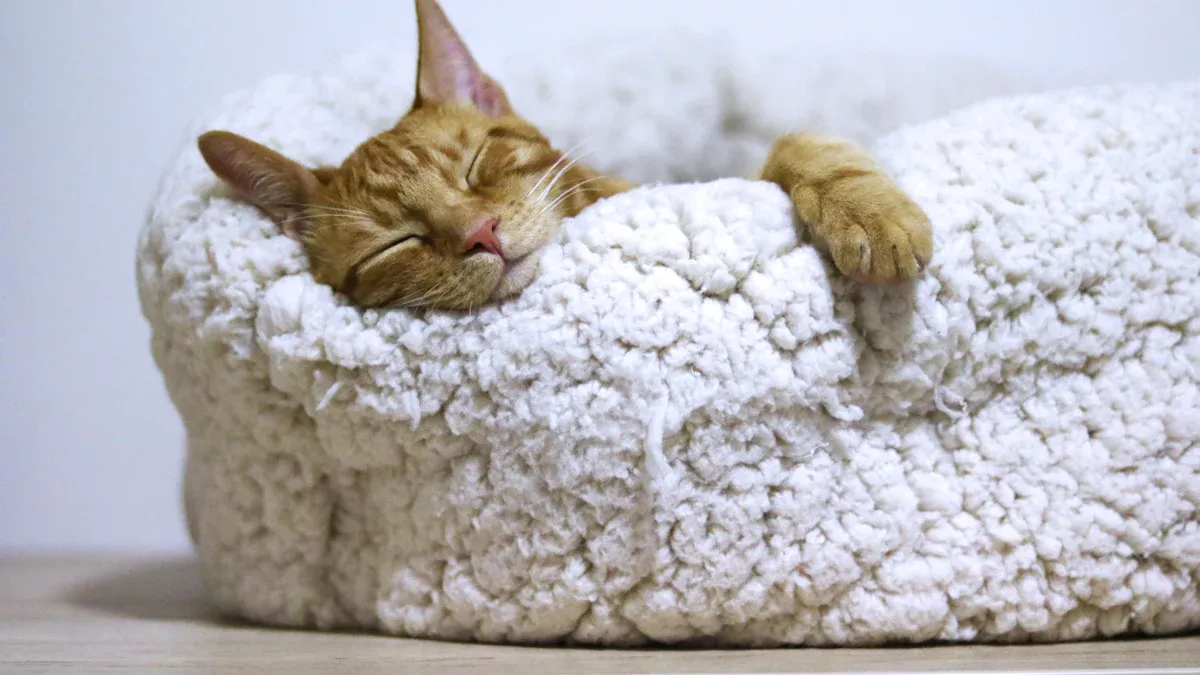
1. Pick the Right Bed
Match Sleeping Style
Cats sleep in different ways. Some curl up tight. Others stretch out or lean on things. Picking a bed that fits how your cat sleeps helps them use it more.
-
Cats that curl up like round or donut beds. These beds feel snug and have raised sides.
-
Cats that sprawl need rectangle or oval beds. These beds let them stretch out all the way.
-
Cats that lean like beds with raised sides. The edges help them rest their heads.
-
Cats that hide want cave or igloo beds. These beds give privacy and keep them warm.
-
Cats that like heights choose hammock beds. Hammock beds are up high and feel safe.
Tip: If you have more than one cat, give each cat their own bed. This stops fights and keeps every cat happy.
Enclosed or Open
Cats pick beds for privacy or to see around them. Some want closed beds. Others like open beds.
|
Bed Type |
Best For |
Features |
|---|---|---|
|
Donut Bed |
Curlers, Leaners |
Raised sides, soft fabric |
|
Cave/Igloo Bed |
Hideaway Lovers |
Closed, private, warm |
|
Open Bed |
Sprawlers |
Flat, easy to get in, open |
|
Hammock Bed |
Height Seekers |
Up high, airy, safe |
|
Heated Bed |
Older Cats, Cold Homes |
Warm, soft, cozy |
Cozzi Paws has many bed styles. Owners should watch how their cat sleeps. Then pick the best bed for them.
2. Place Bed in a Good Spot
Quiet and Warm
Cats want quiet and warm places to sleep. Put the bed in a calm spot. Stay away from loud rooms or busy halls.
-
Pick a spot away from people walking by.
-
Choose a place with sunlight or near gentle heat.
-
Do not put the bed in cold or drafty spots.
A warm and quiet place helps cats use their bed more.
Near Owner
Cats feel safe near their favorite person. Put the bed close to where you spend time. This makes the bed more inviting.
-
Put the bed in the living room, bedroom, or office.
-
Cats like places with their owner's smell.
-
Beds near you help cats feel safe and loved.
Cozzi Paws beds fit in any room. You can make a cozy spot for your cat near you.
3. Add Familiar Scents
Use Owner's Clothing
Cats use smell to feel safe. Put a piece of your clothing, like a shirt or blanket, in the bed. This makes the bed smell like you.
-
Familiar smells help cats relax.
-
Clothes with your scent lower stress and help cats use the bed.
-
Cats often sleep on laundry or blankets for this reason.
Change the clothing sometimes to keep the scent fresh.
Catnip or Treats
Catnip attracts many cats. Sprinkle catnip on the bed to make it fun. Research shows catnip helps cats feel calm and less scared in new places.
-
Catnip helps cats check out and relax in the bed.
-
Put treats in the bed to reward your cat.
-
Good experiences help cats use new beds.
Note: Some cats do not care about catnip. But for those who do, it makes the bed more fun.
Cozzi Paws beds work well with these scent tricks. They help cats feel safe and happy in their new bed.
4. Make Bed Appealing
Toys and Blankets
Cats love comfort and fun. Adding favorite toys or soft blankets to a cat bed can make it much more inviting. Toys give cats something familiar and playful. Blankets add warmth and a sense of security. Many cats enjoy kneading or curling up on a soft blanket.
-
Place a plush toy or a small stuffed animal in the bed.
-
Use a blanket that smells like home or the cat’s favorite person.
-
Rotate toys and blankets to keep the bed interesting.
Tip: Owners can sprinkle a little catnip on the blanket or tuck a treat under it. This encourages cats to explore and settle in the bed.
Cats often choose beds that feel safe and cozy. A bed with familiar items helps them relax. Cozzi Paws offers beds that pair well with soft blankets and toys, making it easy to create a welcoming space.
5. Introduce Bed Slowly
No Pressure
Cats need time to adjust to new things. Forcing a cat into a bed can cause stress and make them avoid it. Instead, let the cat discover the bed at their own pace. Place the bed in a spot the cat already likes. Avoid picking up the cat and putting them in the bed.
-
Allow the cat to sniff and explore the bed freely.
-
Keep other favorite napping spots less appealing by covering them or blocking access.
-
Move the bed to a sunny or quiet area for extra comfort.
Note: Cats feel more confident when they make choices on their own. Patience leads to better results.
Reward Use
Positive reinforcement helps cats form good habits. When a cat uses the bed, offer a treat or gentle praise. This creates a positive link between the bed and happy feelings.
-
Watch for moments when the cat sits or lies in the bed.
-
Give a small treat or a gentle pet as a reward.
-
Use a cheerful voice to praise the cat.
Over time, the cat will return to the bed more often. Owners should stay consistent and patient. Cozzi Paws beds work well with this approach, as their comfort encourages repeat use.
6. Keep Bed Clean
Unscented Detergent
Cleanliness matters to cats. A dirty or smelly bed can drive them away. Owners should wash the bed and blankets regularly. Use an unscented detergent to avoid strong smells that might bother the cat.
Cats prefer a fresh, hygienic sleeping area. Regular cleaning keeps the bed inviting and safe. Cozzi Paws designs beds with removable covers, making cleaning easy for pet owners.
Cats are naturally clean animals. A tidy bed encourages them to use it and helps prevent health issues.
7. Adjust for Health
Orthopedic or Heated Beds
Cats with health problems need special beds. Older cats often get arthritis or joint pain. These cats need beds that help their bodies feel better. Orthopedic cat beds use memory foam or egg crate padding. These materials cushion sore joints and help cats sleep well. High-density foam can lower pain and help cats rest. Beds with strong sides give extra comfort and help cats who have balance problems. Low beds are easy for cats to get in and out of, especially if they have trouble moving.
Heated beds give gentle warmth to cats. This warmth helps stiff muscles and lets cats relax. Heated beds are good for cold homes or cats who need more comfort. Cozzi Paws has orthopedic and heated beds for cats with special needs. These beds help cats sleep better and feel good every day.
Recommended Features for Cats with Health Issues:
-
Orthopedic foam for joint support
-
Supported sides for stability
-
Low profile for easy access
-
Memory foam or egg crate padding
-
Heated options for warmth
Tip: Owners should look for signs of pain. If a cat has trouble climbing or seems stiff, an orthopedic or heated bed can help.
8. Limit Other Spots
Redirect to Bed
Cats often pick sofas, chairs, or bathroom floors instead of their beds. Owners can help cats use their beds by making other spots less nice. Cover favorite places with aluminum foil or plastic carpet runners. This makes those spots less comfy for cats. Spraying these areas with citrus spray or apple cider vinegar also works. Blocking these places makes cats look for new spots to sleep.
Making the cat bed more fun helps cats use it. Owners can move the bed to a sunny or shady spot. Privacy and safety are important, so put the bed in a quiet corner. Keeping the cat’s scent on the bed makes it feel safe. Call the cat over and give praise when it uses the bed. This helps cats learn to use their own bed.
Ways to Redirect Cats to Their Beds:
-
Cover alternative spots with foil or plastic runners
-
Use citrus spray or apple cider vinegar on unwanted areas
-
Block access to favorite sleeping places
-
Adjust bed location for comfort and privacy
-
Keep the cat’s scent on the bedding
-
Praise and encourage bed use
Note: Giving cats many cozy beds helps them feel safe. Cozzi Paws has many bed styles, so every cat can find one they like.
9. Respect Preferences
Observe and Adapt
Every cat has its own habits and likes. Owners should watch how their cat acts and change things if needed. Some cats want to be alone and need space. Others like being near people or want certain textures. Watching body language helps owners know what their cat likes or does not like.
Paying attention builds trust with cats. Owners should not force cats into beds. Changing how you act based on the cat’s signals works better. Cozzi Paws says to pick beds that fit each cat’s personality and comfort needs.
Key Points for Respecting Cat Preferences:
-
Observe individual habits and sleeping styles
-
Recognize when a cat wants privacy
-
Watch body language for comfort signals
-
Adapt bed choice and placement as needed
Cats are happiest when their needs are met. Owners who pay attention and change things make a safe and cozy home for their cats.
10. Be Patient
Allow Time
Patience plays a key role when helping a cat get used to a new bed. Cats do not always accept changes right away. Some cats walk past a new bed for days or even weeks before they try it. Others may sniff the bed, sit near it, or ignore it completely at first. Each cat has a unique personality and comfort level.
Most cats need between 2 and 4 weeks to adjust to a new bed. Shy cats or those with past negative experiences may take even longer, sometimes up to 6-8 weeks. This adjustment period allows the cat to feel safe and build trust with the new sleeping spot.
🕒 Tip: Owners should avoid moving the bed too often during this time. Keeping the bed in one place helps the cat feel secure.
Cats use their senses to explore new things. They may rub their face on the bed, knead the fabric, or bring a toy to the spot. These actions show the cat is starting to accept the bed. Owners should watch for small signs of progress and celebrate each step.
Ways to Support Your Cat During the Adjustment Period:
-
Give the cat space and time to explore the bed on their own.
-
Avoid forcing or picking up the cat to place them in the bed.
-
Offer gentle praise or a treat when the cat shows interest in the bed.
-
Keep the area around the bed calm and quiet.
A patient approach helps build trust. Cats feel more comfortable when they can make choices at their own pace. Over time, most cats will start to use the bed regularly. Owners who wait and watch often see their cat settle in and enjoy the new cozy spot.
Remember, every cat moves at their own speed. Patience and understanding lead to the best results.
Extra Tips for Cat Bed Success
Watch Cat's Behavior
Cat owners often notice that their pets have unique habits. Some cats stretch out when they sleep. Others curl up in tight balls. Observing these patterns helps owners choose the right bed. Cats may prefer high places or hidden corners. Owners should watch where their cat naps during the day. If a cat likes to sleep on a shelf, placing a bed there can increase its use. Fluffing up the bed or moving it to a favorite spot encourages exploration. Praising the cat when it uses the bed creates a positive link. Owners can also sprinkle treats or catnip on the bed to attract their cat. Leaving an item with the owner's scent in the bed makes it more inviting. Cats respond well to gentle encouragement and familiar smells.
Tip: Owners should block access to other sleeping spots if their cat avoids the bed. This helps the cat focus on the new bed.
Try Different Styles
Cats show strong preferences for bed styles. Some want flat beds for stretching. Others seek hooded or cave beds for security. Owners should try several types to see which one their cat likes best. Beds with raised sides suit cats that lean or curl up. Open beds work for cats that sprawl. Elevated beds appeal to cats that enjoy high places. Placing the bed in a quiet, low-traffic area helps cats feel safe. Owners can use harmless deterrents, such as aluminum foil or citrus spray, to make other spots less appealing. Matching the bed style to the cat's sleeping habits increases the chance of success.
|
Cat Sleeping Style |
Bed Type |
Location Preference |
|---|---|---|
|
Stretcher |
Flat, open |
Sunny or quiet corner |
|
Curler |
Donut, raised |
Cozy, hidden spot |
|
Burrower |
Hooded, cave |
Private, warm area |
|
Height Seeker |
Elevated, hammock |
High shelf or perch |
Note: Owners should adjust the bed's position if the cat ignores it. Moving the bed to a spot the cat already likes can make a big difference.
Use Multiple Beds
Many cats enjoy having more than one sleeping option. Placing beds in different rooms gives cats choices. Some cats nap in the living room during the day and sleep in the bedroom at night. Multiple beds help cats feel secure and comfortable. Owners can rotate beds or change their locations to keep things interesting. Providing beds with different textures and shapes suits cats with changing preferences. More playtime during the day tires cats out, making them more likely to use their beds. Owners should ensure each bed is clean and inviting. Using treats to lure the cat into each bed helps build positive associations.
🐾 Cats appreciate variety. Offering several cozy beds increases the chances that a cat will find one it loves.
Consult a Vet
Sometimes, a cat refuses to use any bed, no matter how many changes the owner makes. This behavior can signal a health problem. A veterinarian can help find the reason behind a cat’s sleeping habits. They have the training to spot medical issues that owners might miss.
Cats often hide pain or illness. They may sleep in odd places or avoid their bed if they feel unwell. A vet can check for arthritis, dental pain, or skin allergies. These conditions make it hard for cats to get comfortable. Older cats may have joint pain or trouble moving. A vet can suggest orthopedic beds or medication to help.
Owners should watch for these signs:
-
Sudden change in sleeping location
-
Sleeping much more or less than usual
-
Difficulty jumping or climbing
-
Limping or stiffness
-
Excessive licking or scratching
-
Loss of appetite or weight
If a cat shows any of these signs, a vet visit is important. Early treatment helps cats feel better and enjoy their beds again.
A veterinarian can also give advice about bed choice. They may recommend heated beds for cats with arthritis. They can suggest hypoallergenic materials for cats with skin problems. Some cats need beds with low sides for easy access. A vet can help owners pick the best option for their pet’s needs.
Tip: Owners should schedule regular check-ups for their cats. Preventive care keeps cats healthy and happy.
A vet can answer questions about sleep patterns. They can explain why a cat wakes up at night or sleeps in strange places. Sometimes, changes in sleep mean a cat feels stressed or anxious. A vet can suggest ways to reduce stress, such as pheromone sprays or more playtime.
Here is a table showing when to consult a vet:
|
Situation |
Why See a Vet? |
|---|---|
|
Cat avoids all beds |
Rule out pain or illness |
|
Sudden change in sleep habits |
Check for medical problems |
|
Difficulty moving or jumping |
Assess for arthritis or injury |
|
Skin irritation or allergies |
Recommend hypoallergenic beds |
|
Excessive sleeping or restlessness |
Evaluate for health concerns |
A veterinarian helps owners understand their cat’s needs. They provide solutions that improve comfort and well-being. Owners who work with a vet give their cats the best chance for restful sleep.
4 Factors You Should Konw About Cat Beds
How Cats Choose Spots
Cats use many factors to pick their sleeping spots. They look for places that feel safe and comfortable. Their choices often change with the seasons. In winter, cats seek out warm areas, while in summer, they prefer cooler spots. Scent plays a big role. Cats like places that smell like their owners. This scent helps them feel secure. They also mark their favorite spots with their own scent, making those areas feel safe.
Cats often climb to high places. Shelves, window ledges, and the tops of furniture give them a good view of their surroundings. High vantage points help cats feel in control and protected. Some cats choose enclosed spaces, such as boxes or covered beds. These spots offer privacy and help reduce stress. Many cats burrow under blankets or covers to find warmth and security.
Activity patterns also affect where cats sleep. They may change spots based on their energy levels, especially at night. Indoor cats sometimes pick places near windows or doors to watch the outdoors. Each cat has its own habits, but most look for comfort, safety, and a sense of territory.
Common Factors Influencing Cat Sleeping Spots:
-
Seasonal changes
-
Owner’s scent
-
Territorial marking
-
Elevation
-
Enclosed spaces
-
Activity patterns
-
Outdoor views
Tip: Owners can observe these habits to choose the best bed location for their cat.
All Cats Love Beds
Not every cat loves sleeping in a bed. Many cats enjoy beds, but some prefer other places. Personality plays a big part in this choice. Some cats like to curl up in a soft bed, while others stretch out on the floor or hide in a box. Health conditions and the presence of other pets also influence where a cat sleeps.
A large number of cat owners believe their cats bond with them as strongly as dogs do. Many owners notice that their cats like to play and interact with them. Still, each cat is different. Some cats ignore beds and choose their own favorite spots. Others switch between beds and other places depending on their mood.
Why Some Cats May Not Use Beds:
-
Individual personality
-
Health issues
-
Other pets in the home
-
Preference for variety
|
Cat Type |
Bed Preference |
Notes |
|---|---|---|
|
Social Cat |
Likes beds near owner |
Enjoys bonding time |
|
Independent Cat |
Prefers hidden spots |
Seeks privacy |
|
Playful Cat |
Uses beds for play |
Likes toys and blankets |
|
Sensitive Cat |
Chooses quiet areas |
Avoids busy locations |
Note: Owners should respect their cat’s unique preferences and offer choices.
Expensive Beds Work Best
Price does not always determine a cat’s comfort. Some cats love simple beds, while others ignore expensive ones. The best bed matches the cat’s sleeping style and needs. Material, shape, and location matter more than cost. A cozy blanket or a cardboard box can be just as appealing as a luxury bed.
Cats respond to comfort, warmth, and security. Owners should focus on these qualities when choosing a bed. Watching the cat’s habits helps find the right fit. Cozzi Paws offers a range of beds designed for different preferences, making it easier to find a suitable option.
Key Features That Matter Most:
-
Soft, inviting material
-
Proper size and shape
-
Safe, quiet location
-
Familiar scents
🐾 Tip: The best bed is the one your cat actually uses, no matter the price.
Forcing Cats Works
Many people believe that forcing a cat to use a bed will solve sleeping problems. This idea does not work well in practice. Cats have strong instincts and independent personalities. They do not respond positively to pressure or force. When someone tries to make a cat use a bed, the cat often feels stressed or scared. This reaction can lead to the cat avoiding the bed even more.
Cats need to feel safe and in control of their environment. They choose sleeping spots based on comfort, security, and personal preference. Forcing a cat into a bed removes their sense of choice. This action can damage trust between the cat and the owner. Cats may hide, become anxious, or show signs of stress.
Note: Experts recommend letting cats explore new beds at their own pace. Gentle encouragement works better than force.
Owners can use positive reinforcement to help cats accept new beds. Giving treats, praise, or gentle petting when the cat uses the bed creates a good association. Cats learn best through rewards and patience. They respond to kindness and consistency.
Here is a table showing the difference between forcing and encouraging:
|
Method |
Result for Cat |
Owner Experience |
|---|---|---|
|
Forcing |
Stress, avoidance |
Frustration |
|
Encouraging |
Comfort, trust |
Positive relationship |
Some cats need more time to adjust to changes. Owners should watch for signs of stress, such as hiding, hissing, or avoiding the bed. If these signs appear, it is best to stop forcing and try a gentle approach.
Tips for Encouraging Bed Use:
-
Place the bed in a favorite spot.
-
Add familiar scents, like a blanket or shirt.
-
Use treats or toys to attract the cat.
-
Praise the cat when it uses the bed.
Cats feel happiest when they have choices. Owners who respect their cat’s preferences build stronger bonds. Forcing does not work with cats. Patience and understanding lead to better results.
How to Choose Best Sleeping Beds for Your Cats?
Selecting the right bed for a cat can improve its comfort and well-being. Owners should consider several important factors before making a choice.
1. Observe the Cat’s Sleeping Habits
Every cat has unique preferences. Some cats curl up tightly, while others stretch out. Owners should watch where their cat likes to nap. A cat that hides often may prefer an enclosed bed. A cat that sprawls may want a flat, open bed.
Tip: Owners can place a temporary blanket in different spots to see where the cat feels most relaxed.
2. Measure the Cat’s Size
A bed should fit the cat’s body. Too small, and the cat will not use it. Too large, and the cat may not feel secure. Owners should measure the cat from nose to tail and add a few inches for comfort.
|
Cat Size |
Recommended Bed Size |
|---|---|
|
Small (under 10 lbs) |
16-18 inches diameter |
|
Medium (10-15 lbs) |
18-22 inches diameter |
|
Large (over 15 lbs) |
22-26 inches diameter |
3. Choose the Right Material
Cats enjoy soft, warm fabrics. Fleece, plush, and cotton often attract cats. Some cats have allergies, so hypoallergenic materials work best for sensitive pets. Owners should check if the bed has a removable cover for easy washing.
Beds from Cozzi Paws feature cozy, durable fabrics that suit many cats’ needs.
4. Pick a Style That Matches the Cat’s Personality
Bed style matters. Here are common types:
-
Donut Beds: Good for cats that curl up.
-
Cave Beds: Best for shy or anxious cats.
-
Flat Mats: Perfect for cats that stretch out.
-
Heated Beds: Ideal for older cats or cold homes.
5. Consider the Bed’s Location
Cats like quiet, warm spots. Owners should place the bed away from busy areas and drafts. Sunlight can make a spot more inviting.
Owners can move the bed to different locations to find the cat’s favorite place.
6. Look for Special Features
Some beds offer extra support or warmth. Orthopedic beds help cats with joint pain. Heated beds provide comfort in winter. Raised sides give a sense of security.
7. Match the Bed to Home Decor
A stylish bed can blend with the room. Cozzi Paws offers beds in many colors and designs. Owners can choose a bed that looks good and keeps the cat happy.
🐾 A well-chosen bed helps a cat feel safe and loved.
By considering these factors, owners can find the perfect bed for their cat. A comfortable bed encourages better sleep and a happier pet.
Lots of cats do not use beds for many reasons. Their instincts, smells, comfort, or memories can affect their choice. Owners can help by picking a good bed. They should add familiar scents to the bed. Putting the bed in a quiet place also helps. Watching your cat and being patient works best.
🐾 Cozzi Paws has soft and cool beds for all cats. Knowing what each cat likes makes them happier at home. Cat owners should stay hopeful and try different ideas.
FAQ
Why does a cat ignore a new bed?
A cat often ignores a new bed because it smells unfamiliar. Cats prefer items with familiar scents. Owners can place a worn shirt or blanket in the bed to help the cat feel comfortable.
How long does it take for a cat to use a new bed?
Most cats need two to four weeks to adjust. Some cats may take longer if they feel anxious or have had negative experiences. Patience and gentle encouragement help the process.
What materials do cats like in beds?
Cats usually prefer soft fabrics like fleece or plush. Some cats enjoy cotton. Owners should avoid rough or noisy materials. Beds from Cozzi Paws use cozy, inviting fabrics.
Should a cat bed be placed in sunlight?
Many cats enjoy sleeping in sunny spots. Sunlight provides warmth and comfort. Owners can place the bed near a window or in a bright area to attract the cat.
Can catnip help a cat use a bed?
Catnip often attracts cats and encourages them to explore new items. Sprinkling catnip on the bed can make it more appealing. Not all cats respond to catnip, but many do.
What if a cat prefers sleeping on furniture?
Cats choose furniture for comfort and scent. Owners can redirect the cat by making the bed more inviting. Placing the bed in a favorite spot and adding familiar items helps.
When should an owner consult a vet about sleeping habits?
Owners should consult a vet if a cat shows sudden changes in sleep patterns, avoids all beds, or seems in pain. A vet can check for health issues and suggest solutions.
Do older cats need special beds?
Older cats often need orthopedic or heated beds. These beds support joints and provide extra warmth. Cozzi Paws offers beds designed for senior cats’ comfort.


![Why Do Dogs Scratch Their Beds? 6 Reasons & Solutions [2026 Definitive Explained]](http://www.cozzipaws.com/cdn/shop/articles/why-do-dogs-scratch-their-beds.png?v=1767429064&width=180)
