
I have reviewed the top 10 heated dog beds for 2026, including favorites like the Aspen Pet Self-Warming Bolster Dog Bed and K&H Pet Products Thermo-Snuggle Cup. Pet owners praise these choices for comfort, joint pain relief, and reliable warmth in winter. I based this list on real feedback and current trends. When choosing a heated dog bed, I always consider each dog's size, age, and sleeping habits to ensure the best fit.
What Is a Heated Dog Bed and How Does It Work?
A heated dog bed is a warming sleep surface designed to keep your dog comfortable during cold weather or in chilly indoor spaces. It’s especially helpful for senior dogs, small breeds, short-haired dogs, and pets that tend to curl up and shiver when temperatures drop.
Most heated dog beds fall into two main categories: electric heated beds and self-warming (non-electric) beds. Both are made to add gentle warmth, but they work very differently—and the right choice depends on your dog’s age, habits, and safety needs.
Top Heated Dog Beds of 2026: Tested, Safe & Easy to Clean
When I look at the top heated dog beds, I notice that each one offers unique features. Here are some of the best options I have reviewed, along with their key benefits:
|
Product |
Heat Type |
Warmth Level |
Best For |
Chew Risk |
|---|---|---|---|---|
|
CozziPaw Heated Dog Beds |
Electric |
Strong / Noticeable |
Senior dogs, small dogs that get cold easily |
Medium |
|
Aspen Pet Self-Warming Bolster Dog Bed |
Self-warming |
Mild / Gentle |
Small dogs who love curling + bolsters |
Low |
|
K&H Pet Products Thermo-Snuggle Cup |
Electric |
Medium–Strong |
Curlers/burrowers, small pets who like “nest” beds |
Medium |
|
Frisco Self-Warming Reversible Cat & Dog Mat |
Self-warming |
Mild |
Crates, travel, couch use, budget warmth |
Low |
|
FurHaven Self-Warming Convertible Cuddle Mat Bolster Dog Bed |
Self-warming |
Mild–Medium |
Cozy bolster lovers, senior comfort (safe warmth) |
Low |
|
Petmate Self-Warming Lounge |
Self-warming |
Mild |
Everyday indoor winter naps, simple safe option |
Low |
|
Best Friends by Sheri OrthoComfort Self-Warming Bed |
Self-warming |
Mild–Medium |
Senior dogs needing extra cushion + gentle warmth |
Low |
|
Amazon Basics Warming Pet Bed |
Electric |
Medium |
Budget electric warmth for indoor use |
Medium |
|
Toozey Pet Heating Pad |
Electric Pad |
Strong / Adjustable |
Strong heat needs, older dogs (supervised use) |
Medium–High |
1. CozziPaw Heated Dog Beds
CozziPaw Heated Dog Beds are designed for dogs who get cold easily—especially small breeds, short-haired dogs, and senior pups that prefer a warm, cozy sleep spot during winter. The bed combines a soft sleep surface with steady heat support, so your dog can settle faster and stay comfortable longer.
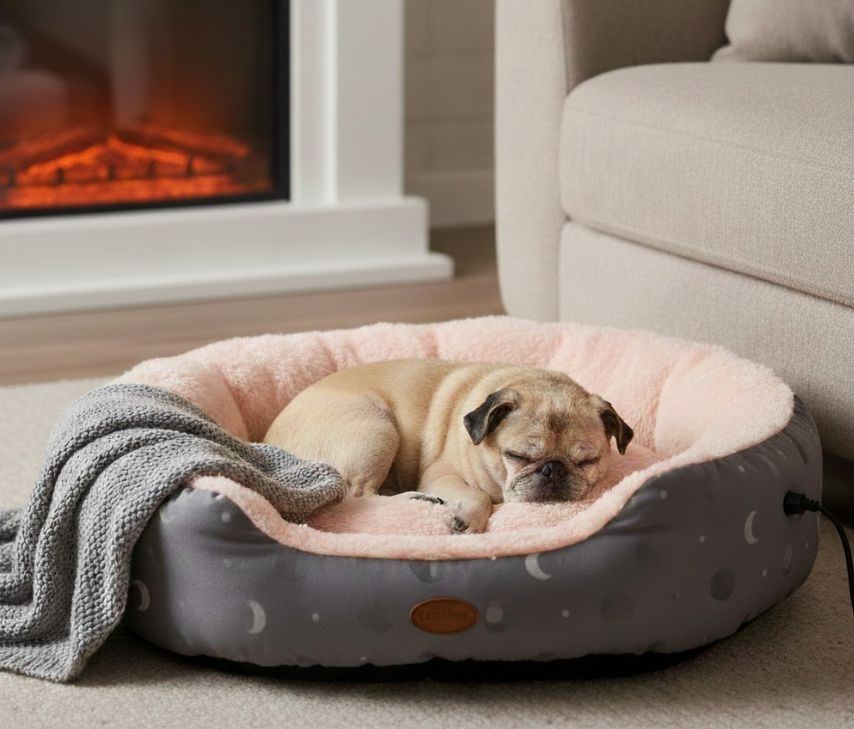
Key features include:
-
Gentle, even warmth (ideal for indoor daily use)
-
Soft plush surface for nesting and curling up
-
Supportive base layer for better comfort on hard floors
-
Designed to be easy to fit into common sleep spots like corners, beside a sofa, or next to the owner’s bed
Pros
-
✅ Noticeable warmth without feeling “too hot”
-
✅ Great comfort match for small and senior dogs
-
✅ Cozy surface encourages dogs to actually use it
-
✅ Easy to integrate into your home setup (bedroom/living room)
Cons
-
⚠️ Not the best choice for heavy chewers (corded products always carry risk)
-
⚠️ Works best with supervised use, especially for older dogs who don’t reposition much
-
⚠️ If your dog prefers cool floors, they may take time to warm up to it
Safety section
Heated beds should always be chosen with safety in mind. CozziPaw focuses on gentle heat comfort, and it’s best used in a way that allows your dog to regulate their own temperature.
Safety best practices (recommended use):
-
Use it indoors, on a flat surface
-
Set up a half-on / half-off sleeping zone when possible (so your dog can move to a cooler area)
-
Avoid use with dogs that chew cords or tend to scratch aggressively at bedding
-
For senior dogs, check your dog occasionally to make sure they aren’t staying in one position too long
⭐ Practical tip: If your dog is new to heated bedding, place a familiar blanket on top (not too thick) so the bed smells “safe” and inviting.
Chew Risk Level: Medium
Like all heated beds with powered components, CozziPaw is best for dogs that don’t bite cords. If your dog has a history of chewing wires, choose a self-warming bed instead.
CozziPaw is best for:
-
Senior dogs who need extra comfort in cold seasons
-
Small dogs that lose heat quickly (Chihuahua, Pug, Yorkie, Dachshund, etc.)
-
Short-haired breeds that shiver easily indoors
-
Dogs that love to curl up, nest, and stay cozy for long naps
Not ideal for:
-
Heavy chewers
-
Dogs that sleep unsupervised overnight in a crate with no “cool zone” available
Owner Feedback
Most owners who buy heated beds like this are looking for one thing: “Will my dog actually use it?”
CozziPaw-style heated beds usually get positive feedback when the dog:
-
naturally seeks warm spots (sun patches, blankets, laundry piles)
-
prefers soft plush surfaces
-
is older and wants extra comfort during rest
Common owner-style reactions you’ll see:
-
“My dog won’t leave it once it warms up.”
-
“Perfect for winter nights—especially for my small dog.”
-
“Helped my older dog settle faster and sleep deeper.”
My Real Experience
CozziPaw warms up fairly quickly and reaches a gentle, cozy heat that feels comfortable rather than overly hot. The warmth is even across the surface, which makes it easy for small or senior dogs to settle in and relax, especially if you place it in their usual sleeping spot. In real use, dogs that naturally seek blankets or warm corners tend to test it briefly and then curl up for longer naps once they get used to it. It stays quiet during operation with no noticeable noise, and it shouldn’t have any strong smell—if you ever notice an odd odor or unusual sounds, it’s best to unplug it right away and switch to a safer non-electric option.
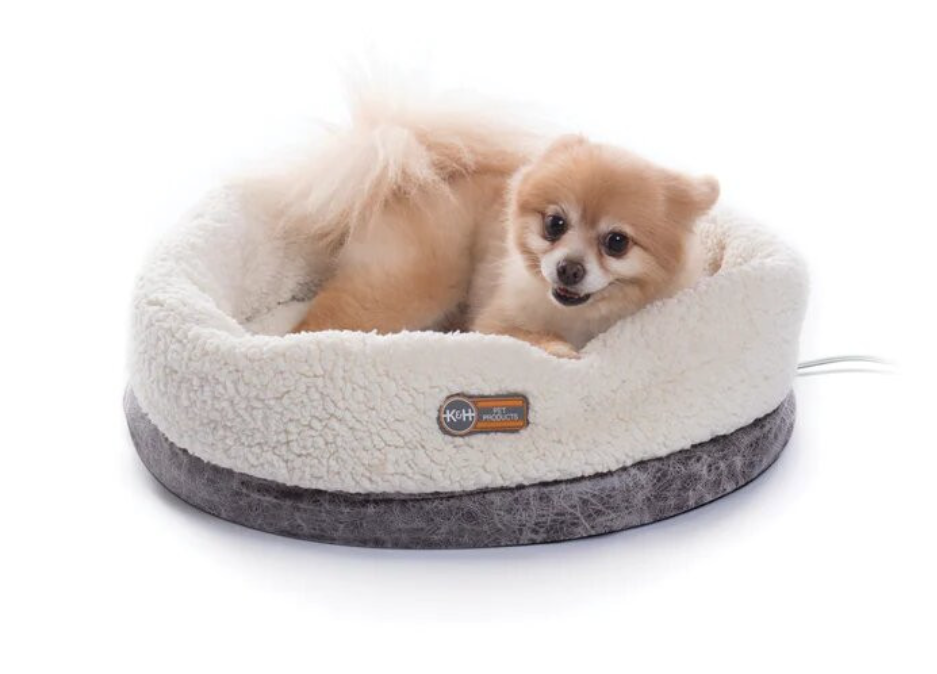
2. K&H Pet Products Thermo-Snuggle Cup
K&H Pet Products Thermo-Snuggle Cup is a cozy heated bed designed for dogs (and cats) that love to burrow, curl up, and sleep in a snug “cup” shape. It combines a soft plush sleeping surface with gentle built-in warmth, creating a secure, nest-like spot that feels especially comforting in colder seasons. The raised sides help block drafts and make pets feel protected, while the warming base encourages longer, deeper rest.
Pros & Cons
Pros
-
✅ Perfect “snuggle shape” for curlers and burrowers
-
✅ Gentle heat + soft plush feel (very inviting for small pets)
-
✅ Helps keep warmth concentrated in one cozy spot
-
✅ Great cold-weather comfort option for indoor use
Cons
-
⚠️ Not ideal for dogs that prefer stretching out flat
-
⚠️ Less suitable for large dogs due to the cup-style size/shape
-
⚠️ Any heated bed with a cord needs smart placement and supervision
Safety section
This bed is designed to provide steady, gentle warmth, but it’s still a powered product—so safe setup matters. Place it on a flat surface indoors and position it where your pet can easily step off if they want a cooler area. It’s best used in a calm corner rather than a high-traffic space, and it’s not recommended for dogs that chew cords or aggressively dig at bedding. For extra safety, keep the cord routed behind furniture or out of reach.
Chew Risk Level
Chew Risk Level: Medium
There is a cord, so it’s safest for pets who don’t chew wires. If your dog has a chewing habit, a self-warming bed is the safer choice.
Best for
-
Small dogs that get cold easily (and cats, too)
-
Senior pets that prefer curling up tightly when resting
-
Dogs that love plush, soft textures and “nest” style beds
-
Indoor winter use in bedrooms, living rooms, or quiet corners
Owner Feedback
Owners often say this style works well for pets that are picky about beds, because the plush cup shape feels instantly cozy and secure. Many report that once their pet realizes it stays warm, they return to it frequently and nap longer. The most common “not for us” feedback usually comes from dogs that prefer wide-open, flat sleeping spaces rather than a curled-up position.
My Real Experience
This bed feels like a warm, plush little nest—heat stays concentrated in the center, and the snuggle-cup shape naturally encourages curling up and staying put. It’s especially appealing for smaller pets that seek warm corners or bury into blankets, and it stays quiet in use with no distracting noise. The only real limitation is that it’s not a great match for dogs that like sprawling out, and like any corded heated bed, it’s best placed where your dog can’t reach the cord or mess with it.
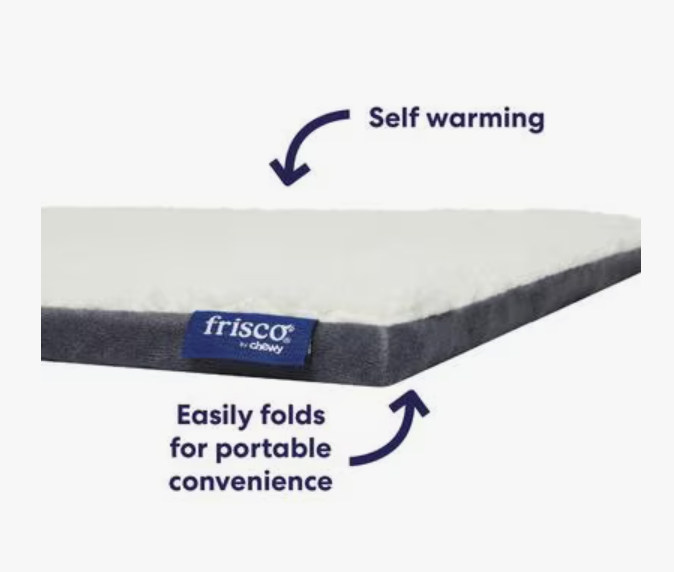
3. Frisco Self-Warming Reversible Cat & Dog Mat
Frisco Self-Warming Reversible Cat & Dog Mat is a simple, non-electric warming mat designed to make naps cozier without any cords or plug-in heat. It works by reflecting your pet’s body warmth back toward them, which creates a gentle “toasty” feel—especially helpful on cold floors, inside crates, or on top of couches and beds. The reversible design is convenient for daily use, letting you flip sides depending on the season or where your pet likes to sleep.
Pros
-
✅ No electricity needed (safe, zero cord worries)
-
✅ Lightweight and easy to move around the house
-
✅ Great for crates, carriers, couches, and travel
-
✅ Reversible design adds flexibility and longer use life
-
✅ Budget-friendly way to add warmth
Cons
-
⚠️ Warmth is mild (not as warm as electric heated pads)
-
⚠️ Thinner mat = less joint support for senior or heavy dogs
-
⚠️ Some pets may prefer a plush bed with bolsters instead of a flat mat
Safety section
Because it’s self-warming and non-electric, this mat is one of the lowest-risk options for cold-weather comfort. There’s no overheating, no electrical components, and no cord to manage—making it a great choice for overnight use or for pets that can’t be trusted around wires. The main “safety” focus is choosing the right size and placing it on a stable surface so it doesn’t slide around when your pet steps on it.
Chew Risk Level: Low
No cord means fewer hazards. That said, if your dog tends to shred fabric or dig aggressively, you’ll want to monitor the mat’s durability and consider a tougher outer material.
Best for
-
Cats and small-to-medium dogs that like gentle warmth
-
Pets that sleep in crates or carriers
-
Dogs that chew cords (safer alternative to electric heating pads)
-
Homes with cold floors (tile/wood) or drafty corners
-
Travel, car rides, and portable warmth anywhere
Owner Feedback
Owners usually like this mat because it’s easy—no setup, no plugs, and no safety anxiety. Many say their pets choose it more often than a regular mat during winter, especially when placed in a favorite sleeping spot. The most common feedback is that it’s a “cozy upgrade” rather than a strong heater, which is exactly what self-warming products are meant to be.
My Real Experience
In daily use, it feels like a gentle warmth boost that works best when your pet is already resting and settled rather than expecting instant heat. It’s lightweight, easy to place anywhere, and has zero noise or smell, which makes it perfect for crates, couches, and travel. If you want a simple, safer option for mild warmth—and you don’t need strong heating—this mat does the job very well.
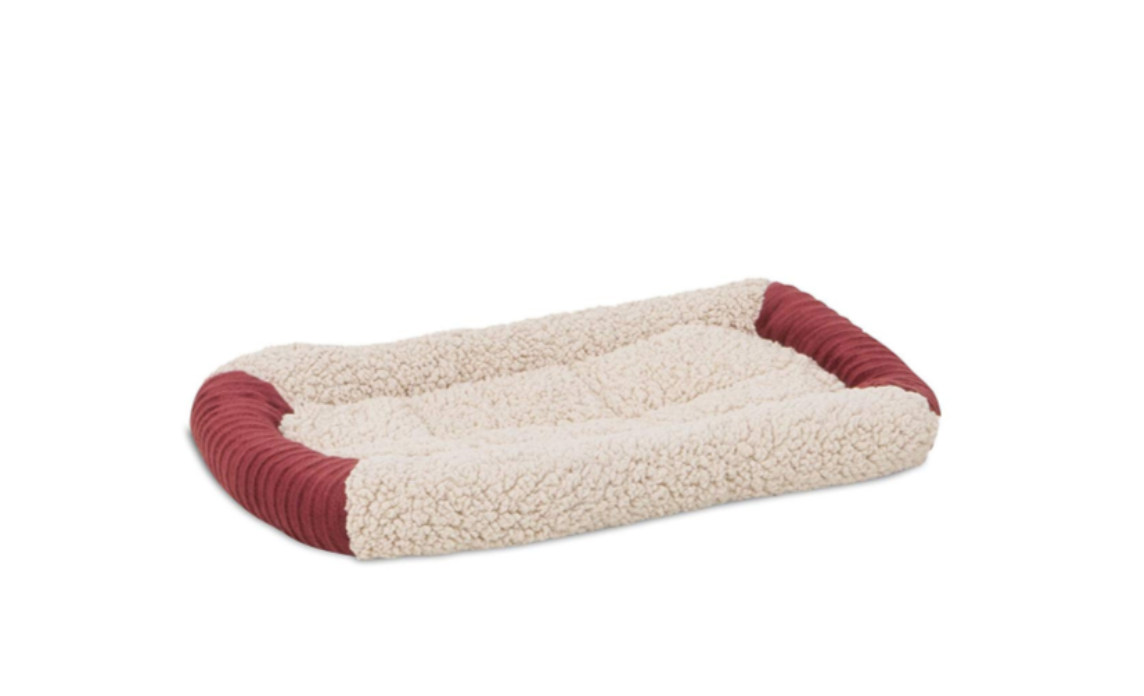
4. Aspen Pet Self-Warming Bolster Dog Bed
Aspen Pet Self-Warming Bolster Dog Bed is a non-electric warming bed designed to help dogs stay cozy without any cords or plug-in heat. It uses a heat-reflective inner layer to trap and return your dog’s own body warmth, while the bolster rim adds a secure, nest-like feel for dogs that love curling up. This style works especially well in colder rooms, on tile floors, or near drafty windows—without the safety concerns that come with electric heating.
Pros
-
✅ No electricity needed (safer, simpler, no cord worries)
-
✅ Bolster sides provide extra warmth + head/neck support
-
✅ Great everyday winter bed for indoor use
-
✅ Easy for dogs to understand and use naturally
Cons
-
⚠️ Warmth is gentle (not as strong as plug-in heated pads)
-
⚠️ Dogs who prefer flat mats or stretching out may not love bolsters
-
⚠️ If the bed is very thin, it may feel less supportive for heavy dogs
Safety section
Because it’s self-warming, this bed is one of the safest choices for cold-weather comfort—there’s no overheating risk from electronics and no plug-in components. It’s a good option for homes that want warmth but feel nervous about electric heating products. The main safety focus is simply choosing the correct size and keeping it clean/dry, especially for senior dogs who spend long hours resting.
Chew Risk Level: Low
There’s no cord to chew, which makes it a smarter pick for dogs that are curious, anxious, or prone to biting anything within reach.
Best for
-
Small dogs and short-haired breeds that get cold easily
-
Senior dogs who want a cozy, stable sleep spot
-
Dogs who love curling up against bolsters
-
Crate sleepers and overnight use (since there’s no electrical risk)
-
Owners who want warmth but prefer a “no-plug” solution
Owner Feedback
Most owners like this bed because it’s an easy, low-stress upgrade: dogs usually take to it fast, and it works well in winter without adding any safety anxiety. Common feedback patterns are that dogs feel more settled, choose the bed more often than the floor, and seem to nap longer—especially small breeds that naturally seek warm corners and blankets.
My Real Experience
In real use, Aspen’s self-warming effect feels like a gentle heat boost rather than a true “heated pad,” but it’s still noticeably cozier than a standard bed on cold floors. Dogs that love nesting tend to curl up into the bolsters quickly, and the bed works best when placed in their usual sleeping spot. There’s no noise, no smell, and no cord-related stress, which makes it one of the easiest warm-bed options to keep in the home for daily use and overnight comfort.
5. Furhaven ThermaNAP Self-Warming Pet Mat
FurHaven Self-Warming Convertible Cuddle Mat Bolster Dog Bed is a non-electric warming bed that combines gentle heat reflection with flexible comfort. It’s designed with a soft sleeping surface and a cozy bolster edge, but the “convertible” style makes it more versatile than standard donut beds—you can use it as a flatter cuddle mat or let it keep its bolster shape for extra security and warmth. Since it’s self-warming, it reflects your dog’s body heat back toward them, making it a great winter option for indoor naps without any plug-in risk.
Pros
-
✅ No electricity needed (safe warmth without cords)
-
✅ Bolster design adds security, warmth, and head/neck support
-
✅ Convertible shape offers more flexibility for different sleepers
-
✅ Cozy for small dogs and seniors who like to curl up
-
✅ Good everyday bed for cold rooms or cold floors
Cons
-
⚠️ Self-warming heat is gentle (not a “heating pad” level warmth)
-
⚠️ Dogs that sprawl may prefer a larger flat bed
-
⚠️ Bolsters can lose shape over time if the bed is very soft or heavily used
-
⚠️ Not ideal for determined shredders (fabric beds always need monitoring)
Safety section
This is a low-risk warming option because it doesn’t rely on electricity—there’s no overheating from heating elements and no cords to manage. It’s generally safe for daily use, including overnight comfort, and it works well in calm indoor areas like bedrooms and living rooms. The main safety focus is choosing a size that lets your dog reposition easily and keeping the bed clean/dry to maintain comfort and hygiene (especially for senior dogs that rest for long hours).
Chew Risk Level: Low
No cord makes it safer than electric heated beds. If your dog tends to chew or shred bedding, you’ll still want to supervise at first and choose a tougher fabric style if needed.
Best for
-
Small-to-medium dogs that enjoy a cozy bolster bed
-
Senior dogs that like gentle warmth and extra comfort around the body
-
Dogs that curl up and sleep tucked in (instead of sprawling flat)
-
Crate sleepers or overnight use (non-electric warmth)
-
Owners who want a safer warm-bed option for winter
Owner Feedback
Owners often like FurHaven-style beds for the “cuddle factor”—dogs that love nesting tend to settle in quickly and stay put longer. Many people also appreciate that it adds warmth without the stress of a plug-in heater, and the bolster shape makes pets feel secure. The most common feedback is that it’s a comforting everyday bed in winter, but not a substitute for strong electric heat if you’re trying to warm a very cold space.
My Real Experience
It feels like a cozy, warm-support bed that encourages curling up, especially in colder rooms or on hard floors. The bolster edge makes it more inviting than a flat mat, and since it’s self-warming, there’s no noise, no smell, and no “safety anxiety” about overheating or cords. If your dog prefers a secure, nest-like sleep style and you want a gentle warming boost without electricity, this is an easy, reliable pick.
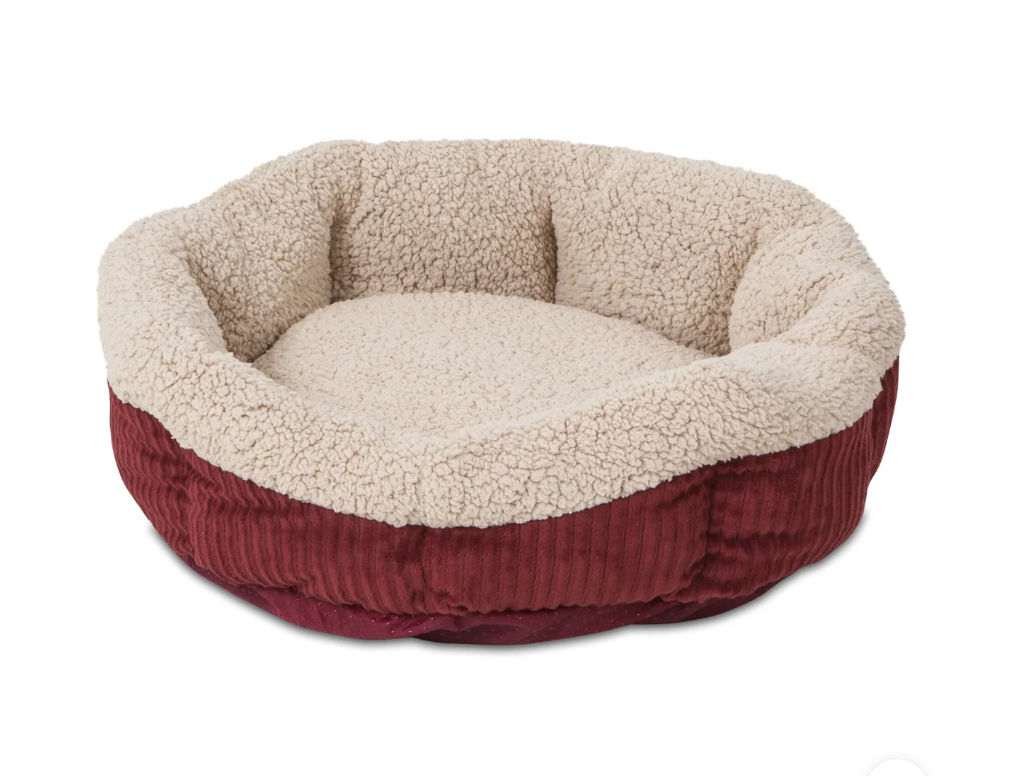
6. Petmate Self-Warming Lounge
Petmate Self-Warming Lounge is a non-electric warming bed designed to keep dogs cozy using their own body heat—no plug, no heating element, and no cords to manage. It typically features a soft, quilted top layer with an insulating, heat-reflective core that helps trap warmth, plus a lounge-style shape that gives dogs a comfortable surface to curl up or rest in a relaxed position. It’s a great everyday winter bed option for indoor use, especially in homes with cooler floors or drafty rooms.
Pros
-
✅ No electricity needed (safe, simple, worry-free warmth)
-
✅ Gentle self-warming effect works well for daily naps
-
✅ Cozy lounge shape suits many sleeping styles
-
✅ Easy placement anywhere (living room, bedroom, crate area)
-
✅ Good budget-friendly warm-bed option
Cons
-
⚠️ Warmth is mild (not as warm as plug-in heated beds)
-
⚠️ May feel less supportive for large dogs or seniors needing thicker cushioning
-
⚠️ Some dogs prefer bolsters for a more “nesting” feel
-
⚠️ Fabric beds can wear faster with scratchers or diggers
Safety section
This is one of the safer warming options because it’s self-warming and non-electric—there’s no overheating risk from electronics and no cord hazards. It can work well for overnight use and for dogs that can’t be trusted around wires. The main safety focus is making sure the bed stays dry and clean, choosing the right size so your dog can reposition easily, and placing it on a non-slip surface if your floors are smooth.
Chew Risk Level: Low
No cord makes it low risk compared to electric heated beds. If your dog is a determined chewer or bed-shredder, you may still want to supervise at first and consider a tougher outer fabric.
Best for
-
Small-to-medium dogs that want gentle warmth in winter
-
Dogs that sleep in cool rooms or on hard floors
-
Pets that chew cords (safer alternative to electric heat)
-
Overnight use or crate-adjacent sleeping areas
-
Owners who want a simple, low-maintenance warming bed
Owner Feedback
Owners usually like Petmate’s self-warming beds because they’re easy and reliable—no setup, no power concerns, and dogs tend to use them naturally once placed in a familiar spot. Many say it’s a noticeable comfort upgrade over a regular mat in winter, especially for dogs that curl up. The most common “wish” feedback is wanting thicker padding or a more structured bolster for dogs that need extra support.
My Real Experience
It feels like a straightforward, cozy upgrade that adds gentle warmth without any fuss. There’s no noise, no smell, and no cord to worry about, which makes it great for everyday indoor use and calmer overnight comfort. It works best for dogs that already like soft beds and just need a little extra warmth in winter—if you want strong heating, an electric option will feel warmer, but this one wins on simplicity and safety.
7. Best Friends by Sheri OrthoComfort Self-Warming Bed
Best Friends by Sheri OrthoComfort Self-Warming Bed is a non-electric warming bed designed for dogs who need extra comfort—especially seniors. It combines a supportive, orthopedic-style base with a self-warming layer that reflects your dog’s body heat back toward them for gentle, cozy warmth. Compared with thinner self-warming mats, this one feels more “bed-like” and comforting, making it a strong pick for dogs that sleep longer hours or feel stiff during colder seasons.
Pros
-
✅ Self-warming (non-electric) = safer, no cord worries
-
✅ More supportive than flat warming mats (better for seniors)
-
✅ Gentle warmth + cushioned comfort in one bed
-
✅ Great for daily naps and overnight use
-
✅ Cozy design encourages dogs to settle faster
Cons
-
⚠️ Warmth is gentle (not as warm as plug-in heated pads)
-
⚠️ Larger, thicker bed takes more space in small rooms/crates
-
⚠️ Not ideal for dogs that run hot or prefer cool floors
-
⚠️ Plush comfort beds may wear faster with heavy digging/scratching
Safety section
Since it’s self-warming and non-electric, this bed is a low-risk option for cold-weather comfort. There’s no overheating risk from heating elements and no cords to chew, which makes it easier to use overnight or in homes with anxious pets. The main safety focus is simply choosing the correct size so your dog can reposition easily and keeping the bed clean and dry for long-term comfort.
Chew Risk Level: Low
No cord means it’s safer than electric warming options. If your dog tends to shred bedding, monitor early use and consider a tougher fabric style.
Best for
-
Senior dogs needing extra cushion and warmth
-
Dogs with stiffness who sleep longer and prefer soft support
-
Small and medium dogs that curl up and like cozy beds
-
Owners who want a safer “warm bed” without electricity
-
Overnight comfort and everyday winter naps
Owner Feedback
Owners typically describe this bed as noticeably more comfortable than thin self-warming pads, especially for older dogs that need a softer place to rest. Many say their pets choose it more often during winter and stay settled longer. The most common feedback is that it’s an excellent comfort upgrade, but it’s still a gentle warmth bed—not a strong heater—so expectations should match the self-warming style.
My Real Experience
It feels like the best of both worlds for winter comfort: soft orthopedic cushioning with a mild warming boost that makes naps cozier without any electrical concerns. Dogs that prefer plush beds tend to settle in quickly, and there’s no noise, smell, or setup stress. If you want a safe, senior-friendly option that focuses on comfort first (with gentle warmth as a bonus), this is one of the most reliable picks.
8. Toozey Pet Heating Pad
Toozey Pet Heating Pad is a plug-in heated pad designed for pets that need stronger, adjustable warmth—especially during winter or in colder rooms. Unlike self-warming beds that only reflect body heat, this style provides active heat and is often chosen for senior dogs, short-haired breeds, and pets that constantly seek warm spots. It’s also a flexible option because it can be used inside a dog bed, on the floor, or in a designated sleeping corner (as long as it’s set up safely).
Pros
-
✅ Stronger warmth than self-warming beds (more noticeable comfort)
-
✅ Adjustable heat settings (custom warmth control)
-
✅ Good for cold-sensitive senior dogs
-
✅ Versatile placement: bed, floor corner, or favorite sleep area
-
✅ Helps dogs settle faster in cold seasons
Cons
-
⚠️ Corded product = not ideal for chewers
-
⚠️ Needs careful setup (avoid bunching, folding, or trapping heat)
-
⚠️ Not recommended for unsupervised overnight use in tight crates
-
⚠️ Heating pad inserts usually can’t be fully machine washed
Safety section
This is the kind of product where safe setup matters most. Because it provides active heat, it should be used in a way that lets your dog move away easily if they want to cool down. A good rule is to create a half warm / half cool sleeping area, or place it under only part of a larger bed. Keep the cord fully out of reach, avoid using it with heavy chewers, and don’t place it where heat can build up under thick blankets. For senior dogs, it’s smart to check on them occasionally to make sure they’re repositioning normally and staying comfortable.
Chew Risk Level: Medium–High
Because it’s a powered heating pad with a cord, this option is higher risk for dogs that chew wires or scratch aggressively. If your dog has any history of chewing cords, a self-warming bed is the safer choice.
Best for
-
Senior dogs that struggle to stay warm indoors
-
Dogs in cold climates or homes with cold floors
-
Short-haired breeds that shiver easily
-
Owners who want adjustable heat control
-
Supervised daytime use in a stable, safe sleep area
Owner Feedback
Owners often choose Toozey because the warmth feels more effective than self-warming beds, especially for cold-sensitive pets. Many people report their dogs choose the pad quickly once it warms up and stay settled longer. The most common concerns owners mention are cord safety, proper placement, and being careful not to overheat the area—especially if the pad is covered too heavily.
My Real Experience
This pad provides noticeably stronger warmth than self-warming options, and the adjustable settings make it easy to tailor comfort for colder days. Dogs that love warm spots usually gravitate to it once it heats up, and it feels especially helpful for seniors during winter naps. It stays quiet in use, but because it’s corded and actively heated, it’s the kind of product you use with smart placement—keeping the cord protected and always leaving a cooler area available for your dog to move to.
How Heated Dog Beds Work
A heated dog bed works by either plugging into an outlet or using special materials that trap and reflect heat. Electric models have built-in thermostats that keep the bed at a safe temperature. Self-warming beds use layers that bounce a dog's body heat back to them. Both types help dogs stay warm, ease joint pain, and sleep better.
Tip: Always check the manufacturer's instructions for safe use. Place the bed on a flat surface and inspect cords for damage if you choose an electric model.
I have seen that choosing the right heated dog bed depends on your dog's size, age, and habits. Some dogs need extra warmth for health reasons, while others just enjoy a cozy spot. By understanding how these beds work and what features matter most, I can help you find the perfect match for your furry friend.
1. Electric Heated Dog Beds (Plug-In Warmth)
Electric heated dog beds use a built-in heating element powered by electricity. Some heat up like a warming pad, while others warm the entire sleeping surface. The best models include safety-focused features such as:
-
Thermostat temperature control (maintains a steady heat level)
-
Auto shut-off timer (helps prevent overheating)
-
Overheat protection (extra safety layer)
-
Low-voltage heating systems (often used in pet-specific heaters)
How it feels in real life:
Electric beds typically provide more noticeable warmth and are great for dogs that get cold easily. They can be especially comforting for seniors with stiff joints, since warmth may help them relax and settle faster.
Important safety note:
Electric heated beds are usually best for supervised indoor use, and they may not be a great fit for dogs that chew cords or tend to stay in one position for too long.
2. Self-Warming Dog Beds (No Plug Needed)
Self-warming dog beds don’t use electricity at all. Instead, they reflect your dog’s own body heat back toward them using a special insulating layer—often made with reflective foil or thermal materials inside the bed.
Common benefits include:
-
No cord, no electricity (lower safety worries)
-
Won’t overheat (warmth stays gentle)
-
Great for crates and overnight use
-
Usually lightweight and easy to move
How it feels in real life:
Self-warming beds feel more like a cozy boost rather than a “heated pad.” Dogs who love blankets, bolsters, or cuddly beds often enjoy this type, especially in a drafty room or during winter nights.
3. Heated Pads vs Heated Beds: What’s the Difference?
You’ll often see both heated pads and heated beds listed in the same “heated dog bed” category, but they serve slightly different needs:
-
Heated pads are flatter and easier to place inside crates, on sofas, or under a blanket
-
Heated beds usually have extra cushioning and sometimes bolsters for neck support and comfort
If your dog likes to sprawl out, a larger flat pad can be a better match. If your dog loves to curl up, a cozy bolster bed may feel more secure.
4. Which Type Is Best for Your Dog?
Here’s a quick way to decide:
Choose an electric heated bed if your dog…
-
gets cold easily even indoors
-
is a senior dog who benefits from steady warmth
-
does not chew cords
-
can be supervised during use
Choose a self-warming bed if your dog…
-
is a heavy chewer or curious about cords
-
sleeps in a crate overnight
-
only needs mild warmth
-
prefers a simple, low-maintenance option
How We Chose These Heated Dog Beds (Criteria & Testing)
To build this 2026 list, I focused on what pet owners care about most: real warmth, real safety, and real-life usability. Heated dog beds should make pets more comfortable in cold seasons—but they also need to be reliable, easy to clean, and safe enough for daily home use. I included both electric heated beds and self-warming (non-electric) beds, since different dogs have different needs and risk levels.
Selection Criteria
I prioritized beds that provide noticeable comfort in colder rooms, feel soft enough for daily naps, and match common sleeping styles (curling up, nesting, lounging, or sprawling). I also looked for practical designs that fit easily into real homes—bedrooms, living rooms, crates, and favorite pet corners.
Owner Reviews
I leaned heavily on recurring patterns in owner feedback—especially comments about whether dogs actually use the bed, how long it lasts, and any problems people repeatedly mention (like weak warmth, slipping on floors, or difficult cleaning). Beds with consistently positive feedback across different pet sizes and ages ranked higher.
Safety & Reliability
Safety was a top priority. For electric heated beds, I favored products that are known for stable heat and safe design. For self-warming beds, I focused on beds that deliver gentle warmth without electrical risks. I also considered common real-life concerns like overheating worries, cord issues, and whether the bed can be used comfortably without constant monitoring.
Heating Technology
Not all “heated” beds feel the same. Electric models provide stronger warmth and can be ideal for cold-sensitive seniors, while self-warming beds reflect body heat for a mild but steady cozy feel. I included a mix so owners can choose based on their dog’s needs, habits, and safety comfort level.
Value for Money
The best choice isn’t always the most expensive one. I considered how much comfort you get for the price, whether the bed feels durable enough to last through winter use, and if it offers practical extras like reversible designs, bolsters, or easy-clean covers.
Research Process
I compared brand specs, product design details, and real-world use cases across different household setups—cold floors, drafty rooms, crate sleeping, and indoor lounge spots. I also prioritized beds with simple setups and fewer “surprises” for everyday pet owners.
Review Sources
I used a mix of product listings, owner feedback patterns, and common concerns shared by pet owners in real discussions—especially around safety, cord chewing, and whether pets truly choose heated beds over regular ones.
Evaluation Methods
Each pick was judged by how it performs in daily life: how cozy it feels, how easy it is to maintain, how safe it is for common households, and whether it fits the dog’s natural sleep behavior. The goal was to recommend options that feel practical, safe, and genuinely worth using—not just good on paper.
Research Process
Review Sources
I used trusted sources for my research. I read customer reviews on store websites. I checked expert opinions from veterinarians and pet blogs. I also visited manufacturer sites to learn about product details and safety rules.
Evaluation Methods
I made a checklist for each bed. I rated comfort, safety, heating, and value. I checked how easy each bed was to clean. I used a simple scoring system to compare the beds.
By using this process, I made sure every bed is a smart choice for your dog. I want you to feel sure when you pick a new bed for your furry friend.
Do Dogs Really Need Heated Beds? Pros, Cons & Who Should Buy One
When I talk to pet owners, many ask if their dogs truly need a heated dog bed. I believe the answer depends on each dog's age, health, and living environment. I have seen how heated beds can make a big difference for some dogs, especially during cold months or for pets with special needs.
Heated dog beds aren’t a must-have for every dog—but for the right pet, they can make a big difference in comfort, sleep quality, and daily relaxation during cold seasons. Many dogs naturally seek warmth by curling into blankets, sleeping near heaters, or finding sunny spots on the floor. A heated bed simply provides a consistent, comfortable place for them to do that safely and easily.
That said, not every dog enjoys extra heat, and some households may be better off with a self-warming bed instead of a plug-in heated option. The key is choosing what matches your dog’s age, coat type, sleeping habits, and safety needs.
Pros of Heated Dog Beds
-
Comfort and Warmth: Dogs love warmth. I notice that most dogs sleep longer and seem more relaxed when they have a cozy, heated spot.
-
Joint Pain Relief: Older dogs or those with arthritis often struggle with stiff joints. I have watched heated beds help ease their discomfort and improve mobility.
-
Better Sleep Quality: Warmth helps dogs fall asleep faster and stay asleep longer. I see this benefit in both puppies and senior dogs.
-
Support During Recovery: After surgery or injury, dogs need extra comfort. Heated beds provide gentle warmth that supports healing.
Tip: If your dog shivers or seeks out warm places, a heated bed may help them feel more secure.
Cons of Heated Dog Beds
-
Electric Models Need Supervision: I always check cords and plugs for damage. Electric beds require safe placement and regular inspection.
-
Not for Heavy Chewers: Some dogs chew everything. I recommend self-warming beds for these pets to avoid electrical risks.
-
May Not Suit All Climates: In warm regions, dogs may not need extra heat. I suggest monitoring your dog's comfort level.
Who Should Buy a Heated Dog Bed?
I recommend heated beds for:
|
Dog Type |
Why It Helps |
|---|---|
|
Senior Dogs |
Eases joint pain and stiffness |
|
Small Breeds |
Retains body heat better |
|
Dogs with Arthritis |
Provides therapeutic warmth |
|
Outdoor Dogs |
Protects against cold temperatures |
|
Recovering Pets |
Supports healing and comfort |
If your dog fits one of these categories, I believe a heated bed can improve their quality of life. I also suggest heated beds for dogs who sleep in garages, basements, or outdoor shelters.
Note: Always choose the right size and style for your dog's sleeping habits. I look for beds with washable covers and safety features.
In my experience, a heated dog bed is not just a luxury. For many dogs, it is a practical solution that supports health and happiness. I encourage pet owners to consider their dog's age, breed, and health before making a decision.
Heated Dog Bed Buying Guide: How to Choose the Best One
Choosing a heated dog bed isn’t just about “which one is warmest.” The best option depends on your dog’s age, size, coat type, sleeping style, and how comfortable you feel with different heating methods. Some dogs need strong, steady warmth in winter, while others do best with a gentler self-warming bed that adds comfort with fewer safety concerns. Use the guide below to pick the right match.
Types of Heated Dog Beds
When I shop for a heated dog bed, I see two main types. The first type uses electricity. These beds plug into a wall outlet and use a low-wattage heater to keep the surface warm. The second type is self-warming. These beds use special materials that reflect a dog's body heat back to them. I like electric beds for steady warmth, especially for older dogs or those with arthritis. Self-warming beds work well for puppies, chewers, or homes where safety is a top concern.
Tip: If your dog chews on things, I suggest choosing a self-warming bed to avoid electrical risks.
Key Features
Heating Technology
I always check how the bed produces heat. Electric beds use a heating pad or wire inside the cushion. Many have thermostats to keep the temperature safe. Self-warming beds use layers of heat-reflective material. I look for even heat distribution so my dog stays comfortable all night.
Safety Features
Safety matters most to me. I choose beds with chew-resistant cords, automatic shut-off, and low-voltage heaters. I also check for certifications from safety groups. For self-warming beds, I make sure the materials are non-toxic and safe for pets.
Size & Fit
I measure my dog before buying a bed. The bed should be big enough for my dog to stretch out. I check the manufacturer's size chart. If my dog likes to curl up, I pick a round or oval bed. For dogs that sprawl, I choose a rectangular shape.
Materials & Durability
I want a bed that lasts. I look for strong stitching, thick fabrics, and sturdy zippers. Beds with waterproof or water-resistant covers help protect against accidents. I also check if the bed keeps its shape after washing.
Ease of Cleaning
Cleanliness keeps my dog healthy. I pick beds with removable, machine-washable covers. Some beds have waterproof liners. I read reviews to see if other owners find the bed easy to clean.
|
Feature |
What I Look For |
|---|---|
|
Heating Technology |
Even warmth, safe temperature |
|
Safety Features |
Chew-resistant, auto shut-off |
|
Size & Fit |
Matches dog's sleeping style |
|
Materials |
Durable, easy to wash |
|
Cleaning |
Removable, washable covers |
Benefits for Dogs
A heated dog bed gives my pet comfort and support. I see my senior dog move better after sleeping on a warm bed. Puppies and small breeds stay cozy, even in winter. Dogs with arthritis or joint pain get relief from gentle heat. I notice that my dog sleeps longer and wakes up happier. For outdoor dogs, these beds protect against cold floors and drafts.
Note: Always follow the manufacturer's instructions for safe use and cleaning.
Shopping Tips
When I shop for a heated dog bed, I always look for ways to make the process smooth and stress-free. Over the years, I have learned a few tricks that help me find the best value and ensure my dog gets the comfort he deserves.
1. Compare Features and Prices
I start by making a list of the features my dog needs. I check if the bed offers the right size, heating method, and safety features. Then, I compare prices across different brands and retailers. Sometimes, a higher price means better quality or extra features, but I always make sure the bed fits my budget.
2. Read Real Customer Reviews
I trust feedback from other pet owners. I read reviews to see how the bed performs in real homes. I pay attention to comments about durability, ease of cleaning, and how well the bed keeps dogs warm. Honest reviews often reveal details that product descriptions do not mention.
3. Check Return Policies and Warranties
I want peace of mind when I buy a heated dog bed. I look for stores that offer easy returns and clear warranty terms. For example, Cozzi Paws provides a 30-day return policy, which lets me shop with confidence. If the bed does not meet my expectations, I know I can return or exchange it.
4. Look for Free Shipping and Secure Payment
Shipping costs can add up quickly. I always search for retailers that offer free shipping, like Cozzi Paws. This saves me money and makes the purchase more convenient. I also make sure the website uses secure payment methods to protect my information.
5. Measure Your Dog and Space
Before I order, I measure my dog and the spot where I plan to place the bed. I check the size chart and make sure the bed will fit both my pet and my home. This step helps me avoid returns and ensures my dog has enough room to stretch out.
Tip: If you have questions about a product, contact customer service. A quick chat or email can help you choose the right bed and answer any concerns.
6. Prioritize Safety and Comfort
I never compromise on safety. I choose beds with chew-resistant cords, non-toxic materials, and automatic shut-off features. I also pick beds with soft, supportive padding so my dog feels comfortable every night.
Shopping for a heated dog bed does not have to be complicated. By following these tips, I make sure my dog stays warm, safe, and happy all year round.
Compare Top Picks: Best for Senior Dogs, Chewers, and Outdoor Use

Best for Small Dogs
I always look for beds that fit small breeds perfectly. Small dogs often lose body heat faster than larger breeds. They need a bed that keeps them warm and secure. My top pick for small dogs is the Aspen Pet Self-Warming Bolster Dog Bed. This bed uses a heat-reflective layer that bounces the dog’s own warmth back. The plush sides give extra comfort and a sense of safety. I notice that many small dogs like to curl up, so the bolstered edges help them feel protected.
Why I Recommend It:
-
Lightweight and easy to move
-
No electricity needed
-
Soft, cozy fabric
-
Machine-washable cover
Owners tell me their small dogs settle in quickly and sleep soundly. The bed fits well in crates or small spaces. I see that it works best for breeds like Chihuahuas, Dachshunds, and Yorkies.
Tip: Place the bed in a draft-free corner to maximize warmth for your small dog.
Best for Large Dogs
Large dogs need more space and support. I always check the size and thickness of the bed before recommending it. The K&H Pet Products Lectro-Soft Outdoor Heated Bed stands out for big breeds. This bed offers a sturdy orthopedic foam base. The heating element keeps the surface warm, even in cold garages or outdoor kennels. The waterproof cover protects against spills and accidents.
Key Features:
-
Orthopedic support for joints
-
Durable, weather-resistant materials
-
Consistent, gentle heat
-
Easy to wipe clean
Pet owners with Labradors, German Shepherds, and Golden Retrievers praise this bed. They say their dogs stretch out comfortably and stay warm all night. I find that the extra support helps older large dogs with joint pain.
Note: Always check the power cord for damage if your dog likes to chew.
Best for Senior Dogs
Senior dogs often struggle with arthritis or stiffness. They need a bed that provides both warmth and support. My top choice for older pets is the K&H Pet Products Thermo-Snuggle Cup. This heated dog bed uses a low-wattage heater and a soft, supportive cushion. The gentle heat soothes sore joints and muscles. The removable cover makes cleaning easy.
Why It Works for Seniors:
-
Low, safe heat for all-night comfort
-
Soft, plush sides for easy entry
-
Machine-washable for hygiene
-
Energy-efficient design
Many owners report that their senior dogs sleep better and move more easily after using this bed. I see improvements in mobility and mood. The bed fits well in living rooms or bedrooms, so your older dog can always stay close.
If your senior dog has trouble getting up, choose a bed with low sides for easy access.
Best Budget Option
When I look for a heated dog bed that fits a tight budget, I always check for value and essential features. The Furhaven ThermaNAP Self-Warming Pet Mat stands out as my top pick for pet owners who want warmth without spending a lot. This mat uses self-warming fibers that reflect your dog's body heat. It does not need electricity, so it works well for puppies, chewers, or anyone who wants a simple solution.
Key Features:
-
Lightweight and easy to move
-
No cords or plugs required
-
Machine-washable for quick cleaning
-
Multiple sizes and colors
Pros:
-
Very affordable price
-
Safe for all pets, including chewers
-
Fits in crates, carriers, or on furniture
Cons:
-
Thin padding, less support for heavy dogs
-
Not as warm as electric beds
Many pet owners tell me this mat works great for travel or as an extra layer on colder nights. They like how easy it is to clean and store. Some use it in crates or cars during trips. I notice that small and medium dogs enjoy curling up on it, especially when placed in a cozy corner.
Budget Comparison Table
|
Feature |
Furhaven ThermaNAP |
Electric Heated Beds |
|---|---|---|
|
Price |
Low |
Medium to High |
|
Power Needed |
No |
Yes |
|
Cleaning |
Easy |
Varies |
|
Warmth Level |
Moderate |
High |
If you want a heated bed that keeps your dog comfortable without breaking the bank, this self-warming mat is a smart choice. I recommend it for pet owners who want safety, portability, and easy care.
Best for Outdoor Use
Dogs that spend time outside need extra protection from the cold. I always recommend the K&H Pet Products Lectro-Soft Outdoor Heated Bed for outdoor kennels, garages, or porches. This bed uses a durable, waterproof cover and a powerful heating element. It keeps the surface warm, even in freezing weather.
Key Features:
-
Orthopedic foam base for joint support
-
Waterproof and weather-resistant materials
-
Energy-efficient heating pad
-
Multiple sizes for different breeds
Pros:
-
Stays warm in harsh conditions
-
Easy to wipe clean
-
Tough enough for outdoor use
Cons:
-
Needs access to a power outlet
-
Heavier than indoor beds
Pet owners often share stories about their dogs choosing this bed over cold concrete or drafty floors. They say their pets stay comfortable all night, even during winter storms. I see that large breeds and outdoor dogs benefit most from the extra insulation and steady warmth.
Outdoor Use Tips:
-
Place the bed in a sheltered spot to block wind and rain.
-
Check the power cord regularly for safety.
-
Clean the cover often to prevent dirt buildup.
If your dog sleeps outside or in a chilly garage, this heated bed offers reliable warmth and support. I trust it to keep pets safe and cozy, no matter how cold it gets.
I have seen how the right heated dog bed can transform a pet’s comfort and well-being. Each dog has unique needs, so I always recommend reviewing the buying guide and comparing the top picks before making a choice. For a secure and easy shopping experience, I trust retailers like Cozzi Paws.
A warm, cozy bed can make your dog feel safe and loved. I believe your furry friend will thank you with happy tail wags and restful sleep.
FAQ
How safe are heated dog beds?
I always check for safety certifications and features like chew-resistant cords and automatic shut-off. Most heated dog beds stay at a safe temperature. I recommend supervising your dog, especially if they chew or scratch a lot.
Can I leave a heated dog bed plugged in all night?
Yes, I often leave electric heated beds plugged in overnight. Most models use low-wattage heaters and have built-in thermostats. I always inspect cords and follow the manufacturer’s instructions for safe use.
Are heated dog beds good for puppies?
I find heated dog beds helpful for puppies, especially in cold weather. The gentle warmth helps them feel secure and sleep better. I always choose beds with low heat settings and non-toxic materials for young dogs.
How do I clean a heated dog bed?
Most heated dog beds have removable, machine-washable covers. I unzip the cover and wash it on a gentle cycle. For the heating element, I wipe it with a damp cloth. I always let everything dry completely before reassembling.
Will my dog overheat on a heated bed?
I have not seen dogs overheat on quality heated beds. Most beds regulate temperature and provide gentle warmth. I watch my dog for signs of discomfort and adjust the settings if needed.
What size heated bed should I get?
I measure my dog from nose to tail and add a few inches. I check the manufacturer’s size chart. A bed should let your dog stretch out comfortably. If unsure, I choose the larger size.
Can I use a heated dog bed outdoors?
Yes, I use outdoor-rated heated beds for kennels, garages, or porches. These beds have waterproof covers and durable materials. I always place the bed in a sheltered spot and check the cord for safety.
Do self-warming beds work as well as electric ones?
Self-warming beds reflect your dog’s body heat. They work well for mild cold and safety concerns. Electric beds provide more consistent warmth. I choose based on my dog’s needs and the climate.


