
A memory foam dog bed can make a big difference for many dogs. Pet owners often choose these beds because they offer comfort, support, and health benefits. Dogs who are older, larger, or have joint problems may feel better with extra cushioning.
Every dog is unique. Think about your dog's age, size, and health before choosing a bed.
-
Seniors and large breeds get more relief from joint pain.
-
Active dogs enjoy better rest.
-
Dogs with arthritis feel less pressure on their bodies.
What Is a Memory Foam Dog Bed?
A memory foam dog bed is designed to give dogs a comfortable place to rest. This type of bed uses special foam that shapes itself to the dog's body. Many pet owners choose these beds because they help dogs sleep better and feel less pain in their joints.
Memory Foam Explained
How It Works
Memory foam is a material that reacts to heat and pressure. When a dog lies down, the foam softens under their body and forms a gentle cradle. This helps spread the dog's weight evenly. The foam returns to its original shape when the dog gets up. This process helps reduce pressure points and supports the dog's muscles and bones.
Tip: Memory foam was first used in hospitals to help patients avoid bed sores. Now, it helps pets rest more comfortably.
Types of Memory Foam
There are several types of memory foam used in dog beds. Each type offers different benefits.
-
Traditional Memory Foam: This foam provides deep cushioning and molds closely to the dog's body.
-
Gel-Infused Memory Foam: Gel beads are added to help keep the bed cooler. Dogs who get warm easily may prefer this type.
-
Open-Cell Memory Foam: This foam has tiny air pockets. It allows better airflow and helps the bed stay fresh.
|
Type of Memory Foam |
Main Benefit |
Best For |
|---|---|---|
|
Traditional |
Maximum support |
Older dogs, joint pain |
|
Gel-Infused |
Cooling effect |
Dogs who overheat |
|
Open-Cell |
Breathability |
Active or outdoor dogs |
Key Features
A memory foam dog bed offers several important features. These features make the bed a smart choice for many pet owners.
-
Comfort: The foam shapes itself to the dog's body, giving a soft and cozy feel.
-
Support: Dogs with arthritis or joint problems get extra help from the foam's gentle support.
-
Durability: High-quality foam lasts longer and keeps its shape after many uses.
-
Style: Brands like Cozzipaws offer beds in different colors and sizes. Pet owners can match the bed to their home decor.
-
Easy Maintenance: Many beds have covers that can be removed and washed. This keeps the bed clean and fresh for the dog.
Note: A good memory foam dog bed can help dogs sleep better and feel more relaxed. It is important to choose a bed that fits your dog's size and sleeping habits.
Is a Memory Foam Dog Bed Worth It?
Assessing Your Dog’s Needs
Choosing the right bed for your dog starts with understanding their needs. Dogs have different sleeping habits and health conditions. Senior dogs often need extra support for their joints. Large breeds may feel more comfortable with thick, supportive foam. Active dogs benefit from a bed that helps them recover after play. Puppies and healthy dogs also enjoy a cozy place to rest, but they may not need as much support.
Tip: Watch how your dog sleeps. If they stretch out or curl up, measure their favorite spot to find the right bed size.
Some dogs have arthritis or hip problems. These dogs need a bed that reduces pressure on their joints. A memory foam dog bed can help relieve pain and improve sleep quality. Dogs with thick fur may prefer a bed with cooling features. Dogs who shed a lot need a bed with a washable cover.
Budget & Lifestyle
Price is an important factor when shopping for a dog bed. Memory foam beds cost more than regular beds. The price depends on the size, thickness, and quality of the foam. Some brands offer free shipping or easy returns, which can help save money.
|
Bed Type |
Average Price |
Durability |
Maintenance |
|---|---|---|---|
|
Standard Foam |
$30-$60 |
Low |
Basic |
|
Memory Foam |
$70-$150 |
High |
Easy |
|
Orthopedic |
$100-$200 |
High |
Easy |
Your lifestyle also matters. If you travel often, look for a bed that is easy to move. Busy families may want a bed with a removable cover for quick cleaning. Stylish beds can match your home decor. Some beds have waterproof linings to protect against accidents.
Note: Investing in a quality bed can save money in the long run. Durable beds last longer and need fewer replacements.
Making the Decision
Making the right choice means balancing your dog's needs with your budget and lifestyle. Start by listing what matters most for your dog. Comfort, support, and easy cleaning are top priorities for many pet owners. Compare different beds and read reviews from other dog owners.
-
Measure your dog and choose the right size.
-
Check if the bed has a washable cover.
-
Look for customer satisfaction guarantees.
-
Consider your dog's age and health.
A memory foam dog bed offers many benefits for dogs who need extra support. It may cost more, but it can improve your dog's comfort and health. Take time to research and choose a bed that fits your dog's needs and your home.
Benefits of Memory Foam Dog Beds
Joint Support
Pressure Relief
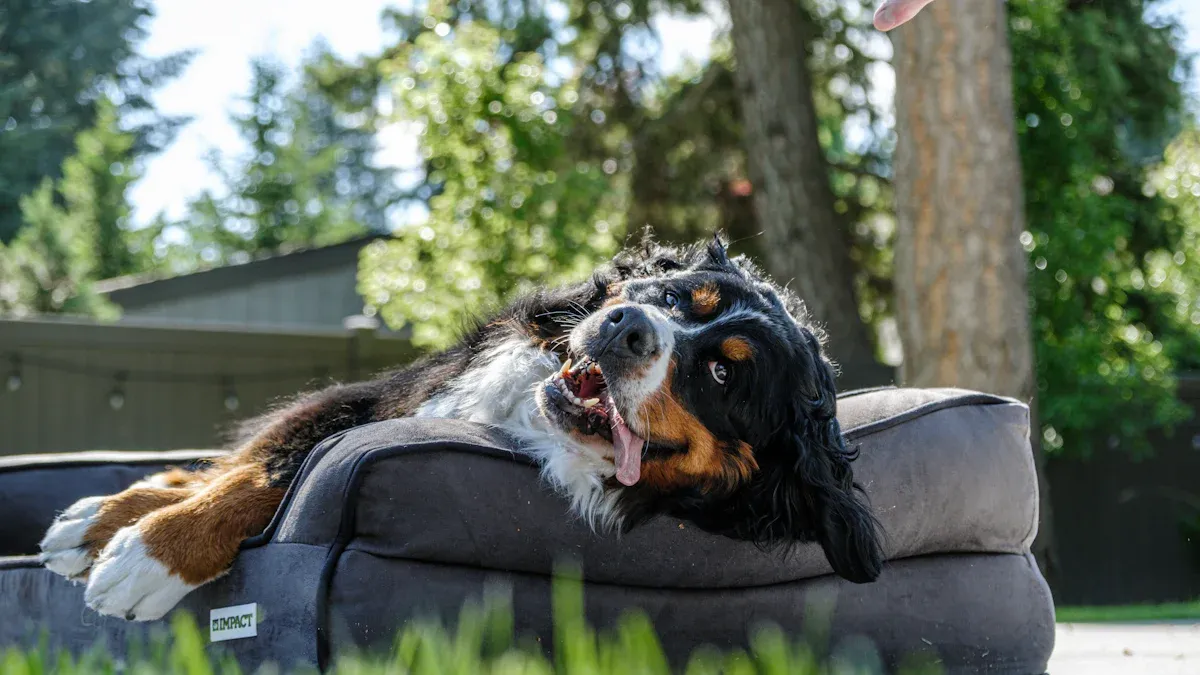
Dogs need a bed that helps their bodies rest. A memory foam dog bed spreads a dog's weight across the surface. This reduces pressure on joints and muscles. When a dog lies down, the foam shapes itself to their body. This gentle support helps dogs with arthritis or hip problems. Many pet owners notice their dogs move more easily after sleeping on memory foam.
Dogs with joint pain often sleep better when their bed relieves pressure. Owners say their older dogs seem happier and more active.
Orthopedic Benefits
Orthopedic support means the bed helps bones and joints stay healthy. Memory foam dog beds are designed to cushion sore spots. The foam keeps its shape and does not flatten over time. Dogs with arthritis, hip dysplasia, or other joint issues benefit from this extra support. Vets often recommend memory foam for dogs who need orthopedic care.
-
Dogs with arthritis feel less pain.
-
Large breeds get better support for their hips and elbows.
-
Senior dogs enjoy more restful sleep.
Sleep Quality
Comfort and Restfulness
Comfort is important for every dog. Memory foam dog beds feel soft and cozy. The foam molds to the dog's body, making them feel safe and relaxed. Dogs who sleep on memory foam often wake up feeling refreshed. Puppies, adults, and seniors all enjoy the gentle cushioning.
Many owners say their dogs fall asleep faster and stay asleep longer on memory foam.
Health Impact
Good sleep helps dogs stay healthy. A memory foam dog bed can improve sleep quality. Dogs who sleep well have more energy during the day. Restful sleep helps the body heal and recover. Dogs with joint pain or injuries need extra comfort to get deep sleep. Healthy sleep supports the immune system and keeps dogs active.
|
Benefit |
How It Helps Dogs |
|---|---|
|
Better Sleep |
More energy, faster healing |
|
Less Pain |
Easier movement, happier mood |
|
Improved Health |
Stronger immune system |
Durability
Longevity
Durability matters when choosing a dog bed. Memory foam dog beds last longer than regular beds. The foam keeps its shape even after months of use. High-quality beds do not sag or flatten. Owners save money because they do not need to replace the bed often.
-
Memory foam resists wear and tear.
-
The bed stays comfortable for years.
-
Dogs enjoy the same support every night.
Comparison to Other Beds
Memory foam dog beds offer more benefits than standard foam beds. Regular beds may lose their shape quickly. Memory foam stays firm and supportive. Orthopedic beds use special foam to help dogs with joint problems, but memory foam provides both comfort and support. Many owners choose memory foam because it combines durability, style, and health benefits.
|
Bed Type |
Support |
Comfort |
Durability |
Maintenance |
|---|---|---|---|---|
|
Memory Foam |
High |
High |
High |
Easy |
|
Standard Foam |
Low |
Medium |
Low |
Basic |
|
Orthopedic |
High |
Medium |
High |
Easy |
Investing in a memory foam dog bed means your dog gets lasting comfort and support.
Hygiene
Odor Resistance
A clean sleeping area helps keep dogs healthy and happy. Many pet owners worry about smells from their dog's bed. Memory foam beds often use materials that resist odors. The dense foam does not let moisture or dirt sink in easily. This helps stop bad smells from building up over time.
Some beds have covers made from special fabrics. These covers block out dirt and hair. They also help keep the bed smelling fresh. Dogs who spend a lot of time outside or have thick fur can bring in extra dirt. Odor-resistant beds make life easier for owners and pets.
Tip: Wash your dog's bedding often to keep it smelling good. Even odor-resistant beds need regular cleaning.
Easy Cleaning
Dog beds get dirty quickly. Mud, fur, and accidents can make a mess. A memory foam dog bed often comes with a removable cover. Owners can unzip the cover and put it in the washing machine. This makes cleaning simple and fast.
Some beds have waterproof linings. These linings protect the foam from spills and accidents. If a dog has an accident, the cover and lining stop liquids from reaching the foam. This keeps the bed dry and clean inside.
Here are some features that make cleaning easier:
-
Removable, machine-washable covers
-
Waterproof or water-resistant linings
-
Hair and dirt-resistant fabrics
A clean bed means a healthier dog. Regular cleaning also helps the bed last longer. Owners save time and effort with beds designed for easy care.
Note: Always check the care instructions before washing your dog's bed. Proper cleaning keeps the bed in good shape for years.
Drawbacks of Memory Foam Dog Beds
While memory foam dog beds offer many benefits, they may not be the perfect fit for every dog or owner. Understanding the possible drawbacks can help you make a smart decision.
Cost
Price Range
Memory foam dog beds often cost more than standard dog beds. The price depends on the size, thickness, and quality of the foam. Some beds use premium materials, which can raise the price even more.
|
Bed Type |
Typical Price Range |
|---|---|
|
Standard Foam |
$30 – $60 |
|
Memory Foam |
$70 – $150+ |
|
Orthopedic |
$100 – $200+ |
A larger bed or one with extra features, like waterproof covers, may cost even more. For families on a tight budget, the higher price can be a concern.
Value for Money
A memory foam dog bed is an investment in your dog’s comfort and health. The higher price often means better support and longer-lasting materials. However, not every dog needs this level of support. If your dog is young, healthy, and active, a less expensive bed may work just as well.
Tip: Think about your dog’s needs and how long you want the bed to last. Spending more now can save money over time if the bed stays in good shape.
Heat Retention
Why It Happens
Memory foam holds heat. The dense foam traps warmth from your dog’s body. This can make the bed feel cozy in cool weather. In warm climates or during summer, some dogs may feel too hot on a memory foam bed.
Dogs with thick fur or those who get warm easily may not enjoy the extra heat. Some owners notice their dogs move off the bed to find a cooler spot.
Solutions
There are ways to help your dog stay cool on a memory foam bed:
-
Choose a bed with gel-infused or open-cell memory foam. These types allow better airflow and help release heat.
-
Place the bed in a cool, shaded area of your home.
-
Use a breathable, moisture-wicking cover to help with temperature control.
-
Add a cooling mat on top of the bed during hot months.
Note: Watch your dog’s behavior. If they avoid the bed in warm weather, try one of these solutions.
Suitability
Dogs Who May Not Need It
Not every dog needs a memory foam bed. Some dogs do well with simpler beds. Here are examples of dogs who may not need memory foam:
-
Young, healthy dogs: Puppies and young adults with no joint issues often sleep well on basic beds.
-
Small breeds: Smaller dogs put less pressure on their joints and may not need extra support.
-
Dogs who prefer hard surfaces: Some dogs like to sleep on the floor or a mat.
Every dog has different preferences. Watch where your dog likes to nap before buying a new bed.
Alternatives
If a memory foam bed does not fit your dog’s needs, there are other options:
-
Standard foam beds: These beds are softer and less expensive. They work well for dogs without joint problems.
-
Bolster beds: These beds have raised edges. Dogs who like to curl up may enjoy the extra support.
-
Elevated beds: These beds keep dogs off the ground. They allow air to flow underneath, which helps keep dogs cool.
-
Cooling mats: These mats use special materials to draw heat away from your dog’s body.
|
Bed Type |
Best For |
|---|---|
|
Standard Foam |
Young, healthy dogs |
|
Bolster Bed |
Dogs who like to curl up |
|
Elevated Bed |
Dogs in warm climates |
|
Cooling Mat |
Dogs who overheat easily |
Tip: Try different types of beds to see what your dog likes best. Comfort and happiness matter most.
Who Should Buy a Memory Foam Dog Bed?
Senior Dogs
Senior dogs often face challenges as they age. Their joints become stiff, and they may develop arthritis or hip problems. These changes can make it hard for them to get comfortable on regular beds. Memory foam dog beds provide extra support and cushioning. The foam molds to the dog's body, which helps reduce pain and pressure on sore spots.
Older dogs may wake up less stiff when they sleep on memory foam. They can move more easily and enjoy their day with less discomfort. Many pet owners notice their senior dogs sleep longer and seem happier with a supportive bed.
Tip: If your dog struggles to get up in the morning or limps after resting, a memory foam bed can help improve their quality of life.
Arthritic Dogs
Dogs with arthritis need special care. Arthritis causes swelling and pain in the joints. Hard or thin beds can make this pain worse. Memory foam beds give these dogs a soft, even surface. The foam spreads the dog's weight, which helps take pressure off painful joints.
Vets often recommend memory foam for dogs with arthritis. The bed helps reduce tossing and turning at night. Dogs can rest without waking up from pain. Owners often see their arthritic dogs become more active after using a memory foam bed.
Signs your dog may have arthritis:
-
Limping or stiffness
-
Trouble climbing stairs
-
Less interest in playing
If you notice these signs, talk to your vet. A memory foam bed can be part of a good care plan for arthritic dogs.
Large Breeds
Large breed dogs, such as Labradors, German Shepherds, and Golden Retrievers, put more weight on their joints. Standard beds may flatten quickly under their size. Memory foam beds offer strong support that does not sag. This helps protect the hips, elbows, and shoulders of big dogs.
A table can show why large breeds benefit from memory foam:
|
Dog Size |
Bed Type Needed |
Support Level |
|---|---|---|
|
Small |
Standard or Foam |
Medium |
|
Medium |
Foam or Memory Foam |
High |
|
Large |
Memory Foam |
Very High |
Large dogs often develop joint problems as they age. A memory foam bed can help prevent these issues. It gives them a comfortable place to rest and recover after walks or play.
Note: Investing in a quality bed for a large dog can save money on vet bills and replacements.
Active Dogs
Active dogs need a place to rest after a busy day. Dogs that run, jump, and play often put extra stress on their muscles and joints. A memory foam dog bed can help these dogs recover faster. The foam shapes to the dog's body and gives support where it is needed most.
Dogs that enjoy long walks or play sports like agility need more than a basic bed. Their bodies work hard, and they need a bed that helps them relax. Memory foam beds give a soft, even surface. This helps tired muscles rest and heal. Owners often see their active dogs wake up with more energy after sleeping on a supportive bed.
Tip: If your dog loves to chase balls, hike, or swim, a memory foam bed can help them feel their best every day.
Some signs that your dog is active include:
-
Enjoys running or playing fetch
-
Loves outdoor adventures
-
Participates in dog sports
-
Always ready for a walk
A memory foam bed can also help prevent injuries. When dogs jump or run, their joints take a lot of impact. The foam absorbs some of this pressure. This can lower the risk of sore muscles or joint pain. Dogs that train for sports or work as service animals also benefit from extra support.
Here is a table showing how memory foam beds help active dogs:
|
Activity Level |
Bed Needed |
Benefit |
|---|---|---|
|
Low |
Basic Bed |
Simple comfort |
|
Moderate |
Foam Bed |
Some support |
|
High |
Memory Foam Bed |
Maximum recovery |
Owners who want the best for their active dogs should consider memory foam. The bed helps dogs rest deeply and recover quickly. This means more fun and play for both the dog and the owner.
Note: Even young, healthy dogs can get sore after a busy day. A good bed helps them stay happy and active.
How to Choose a Memory Foam Dog Bed
Thickness & Density
Thickness and density are two important factors when picking a memory foam dog bed. The thickness of the foam affects how much support your dog gets. Thicker beds usually give more comfort, especially for large breeds or older dogs. A bed with at least 3 to 4 inches of memory foam works well for most dogs. Small dogs may do fine with a thinner bed, but big dogs need extra padding.
Density tells you how firm the foam feels. High-density foam gives better support and lasts longer. It holds its shape even after many naps. Low-density foam feels softer but may flatten over time. For dogs with joint pain or arthritis, high-density foam is the best choice.
Tip: Press your hand into the foam. If it bounces back slowly and feels firm, it is likely high-density.
Here is a quick guide:
|
Dog Size |
Recommended Thickness |
Foam Density |
|---|---|---|
|
Small |
2-3 inches |
Medium |
|
Medium |
3-4 inches |
Medium to High |
|
Large |
4+ inches |
High |
Size & Shape
Choosing the right size and shape helps your dog feel safe and comfortable. Measure your dog from nose to tail while they sleep. Add a few inches to make sure they have enough space to stretch out. Most brands offer size charts to help you pick the best fit.
Dogs have different sleeping styles. Some curl up, while others sprawl out. Rectangular beds work well for dogs who like to stretch. Round or oval beds suit dogs who curl up. Raised edges or bolsters give extra support for dogs who like to rest their heads.
-
Measure your dog’s length and width.
-
Check the bed’s dimensions before buying.
-
Pick a shape that matches your dog’s sleeping style.
Note: A bed that is too small can make your dog feel cramped. A bed that is too big may not feel cozy.
Covers & Linings
Covers and linings keep the bed clean and fresh. Look for beds with removable and washable covers. These covers make cleaning easy. You can unzip the cover and put it in the washing machine. This helps control odors and keeps your dog healthy.
Waterproof or water-resistant linings protect the foam from spills and accidents. If your dog is a puppy or a senior, a waterproof lining is very helpful. It stops liquids from soaking into the foam.
Some beds offer covers in different colors and fabrics. You can choose a style that matches your home. Durable fabrics last longer and resist scratches.
Key features to look for:
-
Removable, machine-washable covers
-
Waterproof or water-resistant linings
-
Durable and stylish fabric options
Choosing a bed with easy-to-clean covers and strong linings saves time and keeps your dog’s space fresh.
Non-Slip Bottoms
A non-slip bottom is an important feature in a memory foam dog bed. This part of the bed helps keep it in place on the floor. Dogs move around when they sleep, stretch, or jump onto their beds. A bed that slides can be annoying for both dogs and owners. Non-slip bottoms use special materials to grip the floor and prevent movement.
Most non-slip bottoms use rubber dots or textured fabric. These materials create friction between the bed and the floor. The bed stays steady, even on hardwood, tile, or laminate surfaces. Dogs feel safer when their bed does not slide. Puppies and older dogs benefit the most because they may lose balance easily.
Tip: Check the bottom of the bed before buying. Look for a thick, textured layer or rubber grips.
Non-slip bottoms also help keep the bed clean. When the bed stays in one spot, dirt and hair do not spread around the room. Owners spend less time tidying up. Beds with non-slip bottoms work well in busy homes with children or other pets.
Here are some reasons to choose a bed with a non-slip bottom:
-
Keeps the bed in place during naps and play
-
Reduces the risk of slips and falls
-
Makes cleaning easier
-
Works on many types of flooring
A table can show how non-slip bottoms compare to regular beds:
|
Feature |
Non-Slip Bottom |
Regular Bottom |
|---|---|---|
|
Stays in place |
✅ |
❌ |
|
Safe for seniors |
✅ |
❌ |
|
Easy to clean |
✅ |
❌ |
|
Good for all floors |
✅ |
❌ |
Some beds offer extra-large non-slip surfaces for added safety. If your dog is active or has mobility issues, this feature is very helpful. Non-slip bottoms also protect the bed from wear and tear. The bed lasts longer because it does not drag across the floor.
When shopping for a memory foam dog bed, always check for a non-slip bottom. This small detail can make a big difference in your dog’s comfort and safety.
Memory Foam Dog Bed vs Other Beds
Orthopedic vs Memory Foam
Orthopedic dog beds and memory foam dog beds both aim to support a dog's joints and bones. Orthopedic beds use special materials to help dogs with arthritis or injuries. Memory foam beds use foam that molds to the dog's body. This foam gives even support and reduces pressure points.
Orthopedic beds may use egg-crate foam, medical-grade foam, or layered materials. Memory foam beds use dense foam that returns to its shape after each use. Many pet owners choose memory foam because it offers both comfort and support.
|
Feature |
Orthopedic Bed |
Memory Foam Bed |
|---|---|---|
|
Material |
Medical foam, egg-crate |
High-density memory foam |
|
Support Level |
High |
High |
|
Pressure Relief |
Good |
Excellent |
|
Shape Retention |
Varies |
Always returns |
|
Best For |
Senior, injured dogs |
Dogs with joint pain, all ages |
Note: Memory foam beds often last longer and keep their shape better than some orthopedic beds.
Standard Foam Beds
Standard foam beds use basic foam. These beds offer soft padding but do not provide strong support. The foam in these beds may flatten quickly. Dogs who are young and healthy may find standard foam beds comfortable. Older dogs or large breeds may not get enough support from standard foam.
Standard foam beds cost less than memory foam beds. They work well for puppies or small dogs. These beds come in many shapes and colors. Some have removable covers for easy cleaning.
Pros of Standard Foam Beds:
-
Affordable price
-
Lightweight and easy to move
-
Many style options
Cons of Standard Foam Beds:
-
Less support for joints
-
Foam may wear out quickly
-
Not ideal for senior or arthritic dogs
|
Bed Type |
Support |
Comfort |
Durability |
Price |
|---|---|---|---|---|
|
Standard Foam |
Low |
Medium |
Low |
$ |
|
Memory Foam |
High |
High |
High |
$$$ |
Tip: Standard foam beds suit young, active dogs who do not need extra joint support.
Cooling & Elevated Beds
Cooling beds and elevated beds help dogs stay comfortable in warm weather. Cooling beds use gel or special fabrics to draw heat away from the dog's body. Elevated beds lift dogs off the ground. Air flows under the bed, which keeps dogs cool.
Memory foam beds can feel warm because the foam holds heat. Dogs who get hot easily may prefer cooling or elevated beds. These beds work well for outdoor use or in hot climates.
Features of Cooling & Elevated Beds:
-
Cooling gel or breathable mesh
-
Raised design for airflow
-
Lightweight and portable
|
Bed Type |
Cooling Effect |
Support |
Best For |
|---|---|---|---|
|
Cooling Bed |
High |
Medium |
Dogs in hot areas |
|
Elevated Bed |
High |
Medium |
Outdoor, active dogs |
|
Memory Foam |
Low/Medium |
High |
Indoor, joint care |
Dogs with thick fur or who live in warm places may enjoy cooling or elevated beds more than memory foam beds.
Specialty Beds
Specialty dog beds have special features that regular beds do not. These beds are made for dogs with certain needs or ways of living. Some dogs need more comfort. Others need extra support or protection. There are many kinds of specialty beds. Each one helps with a different problem.
Types of Specialty Beds:
-
Heated Beds: These beds have heaters inside. They keep dogs warm when it is cold. Heated beds help old dogs or dogs with thin fur.
-
Cooling Beds: These beds use gel or cool fabric. They pull heat away from the dog's body. Cooling beds are good for hot places or dogs with thick fur.
-
Travel Beds: Travel beds are light and easy to carry. Owners use them for trips, camping, or car rides. These beds help dogs feel comfy away from home.
-
Outdoor Beds: Outdoor beds are made from strong, weather-proof materials. They do not get ruined by rain or dirt. These beds are best for dogs who stay outside.
-
Donut or Nest Beds: These beds have high sides. Dogs who like to curl up feel safe in them. Nest beds help nervous dogs calm down.
-
Elevated Beds: These beds stand above the ground. Air moves under the bed to keep dogs cool and dry. Elevated beds are good for dogs in wet or humid places.
Note: Specialty beds fix certain problems. Owners should pick a bed that matches their dog's habits and where they live.
The table below shows how specialty beds are different from memory foam beds:
|
Bed Type |
Main Feature |
Best For |
Comfort Level |
Support Level |
|---|---|---|---|---|
|
Heated Bed |
Warmth |
Seniors, cold climates |
High |
Medium |
|
Cooling Bed |
Temperature control |
Hot climates, thick fur |
Medium |
Medium |
|
Travel Bed |
Portability |
Traveling, camping |
Medium |
Low |
|
Outdoor Bed |
Weather resistance |
Outdoor dogs |
Medium |
Medium |
|
Donut/Nest Bed |
Security |
Anxious, small breeds |
High |
Medium |
|
Elevated Bed |
Airflow |
Humid areas, active dogs |
Medium |
Medium |
|
Memory Foam Bed |
Joint support |
Seniors, large breeds |
High |
High |
Specialty beds help with things regular beds cannot fix. Heated beds help dogs with arthritis feel better in winter. Cooling beds stop dogs from getting too hot. Travel beds make trips easier for pets and owners. Outdoor beds last longer outside. Donut beds make scared dogs feel safe. Elevated beds keep dogs cool and dry.
Memory foam beds are best for support and taking pressure off joints. Specialty beds help with things like heat, travel, or stress. Owners should think about what their dog does every day. Dogs who play outside may need an outdoor bed. Nervous dogs may like a nest bed. Old dogs often need heated or memory foam beds.
Tip: Watch your dog and see what they need. Pick a bed that matches their life. Specialty beds can help dogs feel better and stay healthy.
Real Experiences
Pet Owner Stories
Many people who own dogs say good things about memory foam dog beds. Some notice their older dogs move better after getting a new bed. Others see their pets sleep longer and wake up happy. Owners of big dogs say the beds stay fluffy for a long time.
-
One person shared, "My Labrador limped every morning. Now, with a memory foam bed, he stands up without pain."
-
Another owner said, "Our golden retriever loves her bed. She sleeps all night and is happier during the day."
-
Families with playful dogs say their pets recover faster after playing. The dogs sleep deeply and have more energy for walks and games.
Many owners think buying a good bed makes their dogs healthier and happier.
Vet Recommendations
Vets often tell people to use memory foam dog beds for dogs with joint pain. They say these beds help take pressure off sore spots. Vets see less stiffness and pain in dogs who use these beds.
|
Vet Advice |
Reason for Recommendation |
|---|---|
|
Use for senior dogs |
Helps with joint pain and stiffness |
|
Good for arthritis |
Takes pressure off sore joints |
|
Helpful for large breeds |
Supports hips and elbows |
|
Beneficial after surgery |
Helps healing and comfort |
Some vets suggest these beds for dogs healing from injuries. They think good support helps dogs get better faster. Vets also say that beds with washable covers help stop skin problems and allergies.
"A memory foam bed can really help dogs with arthritis," says Dr. Lee, a vet with 20 years of experience.
Common Feedback
Most people say good things about these beds. They like the comfort and support the beds give. Many say the beds last longer than regular ones. Owners like that the covers come off for easy washing and that the beds look nice.
-
Dogs sleep better and have more energy.
-
Beds keep their shape and do not sag.
-
Cleaning is easy with removable covers.
-
Beds look good in the house.
Some owners say their dogs pick the memory foam bed over other places to sleep. They see less moving around at night. Pet parents also notice fewer smells because the beds keep out dirt and moisture.
🐾 "Our dog used to sleep on the couch. Now she always picks her memory foam bed," says one happy owner.
Memory foam dog beds get great reviews for comfort, strength, and health benefits. Owners and vets agree these beds help dogs rest and heal. Real stories show that a good bed can make a dog's life better.
Memory foam dog beds offer strong support, comfort, and easy cleaning. They help senior dogs, large breeds, and pets with joint pain. Some beds cost more and may feel warm. Owners should think about their dog’s age, health, and habits before buying.
-
Best for older, large, or active dogs
-
Good for dogs with arthritis or joint issues
Every dog is different. Choose the bed that fits your pet’s needs and brings them the most comfort.
FAQ
What is a memory foam dog bed?
A memory foam dog bed uses special foam that shapes to your dog's body. This foam gives strong support and helps reduce pressure on joints. Dogs feel more comfortable and sleep better.
How do I clean a memory foam dog bed?
Most memory foam dog beds have removable covers. You can unzip the cover and wash it in a machine. Spot clean the foam with a damp cloth. Always check the care label.
Are memory foam dog beds good for puppies?
Yes, puppies enjoy the comfort of memory foam. The bed supports growing bodies and helps prevent joint problems. Choose a size that fits your puppy now and as they grow.
Do memory foam dog beds help with arthritis?
Memory foam beds help dogs with arthritis by reducing pressure on sore joints. The foam molds to the body and gives gentle support. Many vets recommend memory foam for dogs with joint pain.
Can large dogs use memory foam beds?
Large dogs benefit from memory foam beds. The thick foam supports heavy bodies and keeps its shape. Big dogs get better rest and less joint pain with a sturdy memory foam bed.
Will my dog get too hot on a memory foam bed?
Some memory foam beds hold heat. Beds with gel-infused or open-cell foam stay cooler. Place the bed in a cool spot or use a breathable cover to help your dog stay comfortable.
How long does a memory foam dog bed last?
High-quality memory foam dog beds last several years. The foam resists sagging and keeps its shape. Regular cleaning and care help the bed stay fresh and comfortable.
What size memory foam bed should I buy?
Measure your dog while they sleep. Add a few inches for comfort. Check the brand’s size chart before buying. Pick a bed that lets your dog stretch out or curl up as they like.


